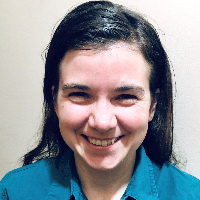
Alice Congdon
LPCC
Trauma-informed counselor focused on practical change
- Trauma-focused approach
- Practical coping skills
- Goal oriented
About Alice
She uses trauma-focused work alongside cognitive behavioral ideas and dialectical skills to help manage symptoms and build coping tools. Sessions aim to link insight with everyday actions - small steps people can try between meetings. Alice draws on experience from schools, inpatient and outpatient settings, and community roles such as job coaching and direct support.
Common concerns she addresses include anxiety, depression, addictions, relationship problems, trauma and abuse, grief, parenting strain, and life transitions. She also has experience with bipolar disorder, ADHD, PTSD, OCD, and issues related to attachment, adoption, and caregiver stress. Her approach balances practical skill-building with exploration of meaning and identity.
In therapy she works on short- and long-term goals together with clients. Sessions often combine skill practice, problem-solving, and reflective work about values and choices. Alice emphasizes empathy, a non-judgmental stance, and concrete plans people can use outside session.
For scheduling, she offers messaging and live chat during morning and afternoon times and phone or video in the evenings. Prospective clients should confirm current session options when booking.
How trauma-focused, CBT, and DBT work online
Alice uses trauma-focused approaches to help people process past harms and reduce their day-to-day impact, often by pacing work and building coping skills. Cognitive Behavioral Therapy (CBT) helps identify and change unhelpful thoughts and behaviors with clear homework and steps to practice between sessions. Dialectical Behavior Therapy (DBT) offers concrete skills for managing strong emotions, improving tolerance for distress, and strengthening relationships.Choosing an approach is a collaborative process. The therapist will talk with the client about goals, symptoms, and what feels manageable. Then they try methods together and adjust the plan based on what helps most in daily life.
For practical online work, clients should confirm what session types are currently offered before booking. The profile notes messaging and live chat are available in morning and afternoon times, and phone and video are offered in the evening. Online options can make it easier to fit therapy into a busy day, allow shorter check-ins when needed, and reduce travel time so people can use breaks for sessions. A collaborative plan will also decide homework, exercises, and the pace of trauma-focused work that best suits each person.
These summaries are based on the profile information listed on BetterHelp. Listing trauma-focused therapy does not mean a therapist holds a specific certification such as TF-CBT, EMDR or CPT.
Areas of expertise
Primary focus
Also works with
Additional focus areas
Therapeutic approaches
Experience
13+ years
Credentials
Minnesota
Languages
English
Licenses listed
- LPCC, Minnesota957
- NPI1396102364
As listed on the therapist's profile. You can check a license with the state licensing board and an NPI in the national registry.
Frequently asked questions
What kinds of problems does she help with?
Alice helps people with stress, anxiety, depression, addictions, relationship conflict, trauma and abuse, grief, parenting concerns, and life transitions among other issues.
What is her general therapy style?
She blends trauma-focused methods with cognitive behavioral and dialectical approaches, using practical skill practice and reflective conversation to reach goals.
How much experience does she have?
She has 13 years working in helping roles and therapy positions including inpatient and outpatient settings, schools, and community support work.
What credential and state is she licensed in?
She holds the LPCC credential and is licensed in Minnesota as an LPCC.
Can sessions be done in languages other than English?
Sessions are offered in English.
Does she work with clients outside the United States?
International clients are not currently accepted.
How are sessions scheduled and what formats are offered?
She offers messaging and live chat during morning and afternoon times, and phone and video sessions in the evening; confirm current session options when booking.
How does payment and cost work?
Cost varies with location and therapist availability; sessions use a subscription that can be canceled at any time.
Therapists on BetterHelp do not prescribe medication; a doctor can talk with you about medical options. This directory is not a crisis service. If you are in immediate danger, call 911. If you are thinking about suicide, call or text 988.