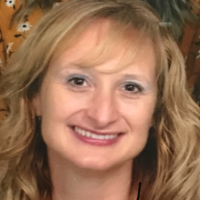
Amy Brant
LMFT
Compassionate therapist helping people rebuild after hard experiences
- Trauma and abuse
- Stress and anxiety
- Relationship support
About Amy
Amy began her career in 1998 as a teacher for students with special needs and as a public school guidance counselor. She later completed a degree to become an LMFT and moved into clinical work because she noticed how family history and past experiences shape adult choices and behavior. That practical background still guides her work today.
Her style adapts to each person’s needs. Some clients prefer brief, solution-focused work to address a specific problem. Others want a slower, collaborative process that includes education and skills practice. Sessions emphasize listening, clear explanations, and helping clients try new ways of coping.
Amy uses a mix of approaches drawn from Trauma-Focused Therapy, Acceptance and Commitment Therapy, attachment-based ideas, client-centered work, and cognitive behavioral techniques. She focuses on helping people learn new habits, manage strong emotions, and rebuild a sense of safety after hard experiences.
She aims to help people move toward goals they choose for themselves. That might mean repairing communication, reducing panic and worry, or finding steadier routines after loss. Amy frames progress as gradual and practical, with tools people can use between sessions.
How therapy approaches translate to online work
Amy draws on Trauma-Focused Therapy, Acceptance and Commitment Therapy (ACT), and attachment-based ideas in her work. Trauma-Focused Therapy focuses on helping people process distressing events and reduce their hold on daily life. It can be useful for those coping with past hurt or ongoing trauma symptoms.Acceptance and Commitment Therapy helps people notice thoughts and feelings without getting stuck, then choose actions that match their values. It often helps with anxiety, depression, and life changes by teaching practical skills for managing thoughts and behavior. Attachment-based approaches look at how past relationships affect current connections and communication, which can be useful for addressing intimacy and relationship concerns.
Choosing the right approach is collaborative. The therapist will work with each person to find what fits their needs, goals, and preferences, and may blend methods over time. That decision is made together based on what feels most helpful.
If you are considering online sessions, confirm the current session options before booking since formats are not specified in the biography. Online work can make it easier to fit therapy into a busy schedule, reduce travel time, and allow shorter check-ins when needed. Discuss practical details with the therapist when scheduling to find arrangements that match daily life and goals.
These summaries are based on the profile information listed on BetterHelp. Listing trauma-focused therapy does not mean a therapist holds a specific certification such as TF-CBT, EMDR or CPT.
Areas of expertise
Primary focus
Also works with
Additional focus areas
Therapeutic approaches
Experience
30+ years
Credentials
Indiana
Languages
English
Licenses listed
- LMFT, Indiana35001902A
- NPI1083019954
As listed on the therapist's profile. You can check a license with the state licensing board and an NPI in the national registry.
Frequently asked questions
What concerns does Amy work with?
She helps with stress, anxiety, depression, trauma and abuse, grief, addictions, relationship and parenting challenges, body image, ADHD, and many related issues.
What is her therapeutic style like?
Amy adapts to each person. She can provide brief, solution-focused work or a slower collaborative process that includes teaching skills and practicing new behaviors.
How long has she practiced?
Amy has worked in helping professions since 1998 and brings thirty years of combined experience from schools and therapy settings.
Where is Amy licensed and based?
She is licensed as an LMFT in Indiana and practices there.
Can I work with her if I live outside the United States?
Sessions are offered in English and she is not accepting international clients at this time.
What session formats are available?
Confirm current session options before booking, as formats are not specified in the biography and may change.
How are fees handled?
Cost varies with location and therapist availability, and sessions use a subscription that can be canceled at any time.
How do I begin working with Amy?
Use the Start Therapy button, complete a short matching questionnaire, and schedule according to the therapist's availability.
Therapists on BetterHelp do not prescribe medication; a doctor can talk with you about medical options. This directory is not a crisis service. If you are in immediate danger, call 911. If you are thinking about suicide, call or text 988.