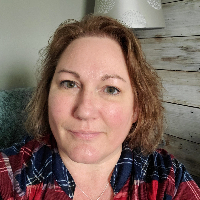
Amy Roth
LPC-MH, LMHC
Practical, person-focused trauma care
- Trauma-informed
- Collaborative goals
- Age 15 and up
About Amy
Amy trained at South Dakota State University and earned a master’s degree in Counseling and Human Resource Development in 2007. She has more than 15 years of experience in clinical settings and has worked with a wide range of concerns and ages. These years have shaped a practical style that centers on immediate needs and realistic goals.
Her approach is collaborative and flexible. Amy listens for what is most distressing, then uses methods that fit each person’s situation. She draws from Trauma-Focused Therapy, Attachment-Based Therapy, Cognitive Behavioral Therapy, Dialectical Behavior Therapy, and client-centered work when designing treatment.
Amy commonly helps people facing mood disorders, post-traumatic stress, panic attacks, relationship and family issues, parenting strain, identity and gender questions, grief, and burnout or compassion fatigue. She often works with people aged 15 and up but has experience across the lifespan.
She offers options for meeting that aim to fit daily life. When starting, she focuses on clear goals, simple tools, and practical steps people can try between sessions. The emphasis is on steady progress and adjusting the plan as needed.
How therapeutic approaches translate to online care
Amy commonly uses Trauma-Focused Therapy to help people process and reduce the impact of past harm. This approach focuses on understanding how past events affect current reactions and building practical skills to feel safer and more in control.She also uses Attachment-Based Therapy to look at how early relationships shape current patterns. This helps people notice how they connect with others and practice new ways of relating that feel more dependable.
Finding the right approach is part of the work. Amy will collaborate with each person to pick methods that match their goals, preferences, and what feels doable. She checks in regularly and adjusts the plan so therapy stays relevant and practical.
If you are considering online sessions, confirm the current session options before booking. The therapist’s biography notes flexibility in meeting methods, so ask about what formats are available and what fits your routine. Online work can make it easier to fit appointments into a busy day, allow shorter check-ins when needed, and reduce travel time so therapy is simpler to maintain. Licensed professionals can help turn these conveniences into steady progress by focusing on realistic goals and tools you can use between meetings.
These summaries are based on the profile information listed on BetterHelp. Listing trauma-focused therapy does not mean a therapist holds a specific certification such as TF-CBT, EMDR or CPT.
Areas of expertise
Also works with
Additional focus areas
Therapeutic approaches
Experience
15+ years
Credentials
South Dakota, Washington
Languages
English
Licenses listed
- LPC-MH, South Dakota2277
- LMHC, WashingtonLH 61537122
- NPI1093221335
As listed on the therapist's profile. You can check a license with the state licensing board and an NPI in the national registry.
Frequently asked questions
What concerns does Amy commonly address?
Amy works with a wide range of concerns including stress, anxiety, trauma and abuse, depression, mood disorders, panic, grief, parenting strain, identity and gender questions, relationship and family problems, and compassion fatigue.
How would you describe the therapeutic style used?
The style is collaborative and practical. Amy focuses on current struggles, sets clear goals, and draws from approaches like Trauma-Focused Therapy, Attachment-Based Therapy, CBT, DBT, and client-centered methods to match each person’s needs.
What kind of clinical experience does Amy have?
She has more than 15 years in the counseling field. That experience includes work across many ages and a variety of issues, shaping a flexible, goal-oriented way of working.
Where is Amy licensed and based?
Amy holds LPC-MH (Licensed Professional Counselor-Mental Health) and LMHC (Licensed Mental Health Counselor) credentials and is based in South Dakota.
Which languages are supported in sessions?
Sessions are offered in English.
Can people outside the United States work with Amy?
International clients are not currently accepted.
How are sessions scheduled and what does cost look like?
Cost varies with location and therapist availability and sessions use a subscription that can be canceled at any time. Specific pricing details depend on the match and location.
What are the first steps to begin therapy?
Use the Start Therapy button, complete a short matching questionnaire, and schedule according to therapist availability to begin working together.
Therapists on BetterHelp do not prescribe medication; a doctor can talk with you about medical options. This directory is not a crisis service. If you are in immediate danger, call 911. If you are thinking about suicide, call or text 988.