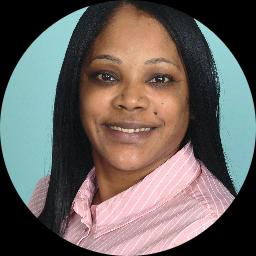
Ashley Johnnies
LCSW
Compassionate, practical support for trauma and stress
- Trauma-informed care
- Skills-based focus
- Strengths oriented
About Ashley
She sees therapy as a collaborative process. Sessions center on what matters most to the client and build on real skills that can be used between meetings. Ashley uses practical strategies to manage strong emotions and to improve day-to-day coping.
Ashley draws on Trauma-Focused Therapy alongside cognitive and behavioral methods. She also uses Acceptance and Commitment Therapy, Dialectical Behavior Therapy, and client-centered work to tailor support to each person's needs. These approaches are used to address relationship strain, grief, self-esteem, intimacy questions, and parenting stress.
Her style is direct and compassionate. She helps people name what they are facing, try small changes, and notice what helps. Sessions aim to create clear steps forward rather than only talking about problems.
If someone wants to begin, Ashley asks them to consider their goals and what feels most urgent. She supports practical planning and problem solving so clients can try new ways of handling difficult situations and build on what already works for them.
How trauma-informed and skills-based approaches work online
Trauma-Focused Therapy in Ashley's work focuses on addressing the impacts of trauma and abuse through careful, paced conversations and coping skills. This approach aims to reduce the hold traumatic memories or reactions have on daily life and to increase a person's sense of control over strong emotions.Acceptance and Commitment Therapy (ACT) helps people clarify what matters most to them and take small, values-driven steps even when feelings are difficult. ACT teaches practical ways to notice thoughts and feelings without getting stuck in them. Client-Centered Therapy centers the person's own experience and priorities, with the therapist listening closely and responding to what the client brings each session.
Picking the right approach is part of therapy. Ashley works together with each person to decide which methods fit their situation, goals, and preferences. That collaboration guides how sessions are structured and which skills are emphasized.
Confirm current session options before booking so you know how meetings will be held. Online therapy can make it easier to fit sessions into busy schedules, reduce travel time, and allow shorter check-ins when needed. It can also let someone choose a quieter time or avoid being on camera if that helps them engage. Licensed professionals, including Ashley, use these methods to support practical change and to help clients try new ways of coping without claiming specific outcomes.
These summaries are based on the profile information listed on BetterHelp. Listing trauma-focused therapy does not mean a therapist holds a specific certification such as TF-CBT, EMDR or CPT.
Areas of expertise
Primary focus
Also works with
Additional focus areas
Therapeutic approaches
Experience
5+ years
Credentials
Illinois
Languages
English
Licenses listed
- LCSW, Illinois149029178
- NPI1609530229
As listed on the therapist's profile. You can check a license with the state licensing board and an NPI in the national registry.
Frequently asked questions
What kinds of concerns does Ashley address?
She helps people with stress, anxiety, trauma and abuse, anger, depression, relationship and family concerns, grief, intimacy issues, and parenting challenges.
What is Ashley's therapeutic style like?
Her approach is collaborative and practical. She focuses on skills, short-term changes, and using each person's strengths to move forward.
How much clinical experience does she have?
Ashley has five years of professional work experience as an LCSW in Illinois.
What credential and location information should I know?
She holds an Illinois Licensed Clinical Social Worker credential listed as LCSW and practices in Illinois.
Which languages are available for sessions?
Sessions are offered in English.
Can international clients work with Ashley?
She is not currently accepting international clients.
How are sessions scheduled and what does it cost?
Cost varies with location and therapist availability, and sessions use a subscription that can be canceled at any time.
How do I begin working with Ashley?
Click the Start Therapy button, complete a short matching questionnaire, and schedule according to therapist availability.
Therapists on BetterHelp do not prescribe medication; a doctor can talk with you about medical options. This directory is not a crisis service. If you are in immediate danger, call 911. If you are thinking about suicide, call or text 988.