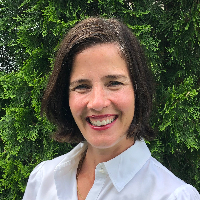
Bridget Stevens-Murphy
LICSW
Trauma-informed, relational LICSW
- Trauma-focused care
- Attachment-based help
- Practical coping tools
About Bridget
She listens carefully and uses conversation and reflection to help people notice patterns in their lives. Bridget works from a strength-based, person-centered foundation and pays attention to relationships and attachment. This often helps people facing relationship strain, intimacy concerns, adoption and foster care questions, or family of origin struggles.
Practical tools are included alongside relational work. She incorporates elements of cognitive behavioral approaches and emotion-focused techniques when useful. Clients may learn ways to manage anxiety, shift unhelpful thinking, and strengthen close bonds.
Her background includes a Master of Social Work with a children and families specialization from the University of Wisconsin-Madison and domestic and international work experience. She holds a Minnesota LICSW and brings attention to parenting, caregiver stress, compassion fatigue, and first responder issues.
People who choose her often want a collaborative therapist who balances empathy with practical steps. Bridget aims to help clients better understand themselves, find acceptance, and build more enlivening relationships and daily routines.
How different approaches shape online therapy
Trauma-Focused Therapy centers on addressing how past harmful experiences affect current feelings and behavior. In brief, it helps people work through traumatic memories and reduce their impact on daily life. Attachment-Based Therapy pays attention to patterns in close relationships and how early bonds influence trust, communication, and emotional responses. It can help when relationship problems or family of origin issues keep resurfacing.Choosing the right method is a collaborative process. The therapist will talk with the person about goals, history, and what feels most useful. Together they decide whether to emphasize trauma work, attachment repair, or more cognitive and emotion-focused skills as therapy progresses.
Practical benefits of online therapy include fitting sessions into a busy week and using shorter check-ins when needed. The original biography referenced messaging, live chat, and phone sessions, so ask the service to confirm which of these formats are currently offered before booking. Online work can make it easier to maintain steady momentum between in-person commitments and to try techniques in everyday settings without rearranging major parts of a schedule.
These summaries are based on the profile information listed on BetterHelp. Listing trauma-focused therapy does not mean a therapist holds a specific certification such as TF-CBT, EMDR or CPT.
Areas of expertise
Primary focus
Also works with
Additional focus areas
Therapeutic approaches
Experience
8+ years
Credentials
Minnesota
Languages
English
Licenses listed
- LICSW, Minnesota20016
- NPI1407293798
As listed on the therapist's profile. You can check a license with the state licensing board and an NPI in the national registry.
Frequently asked questions
What concerns does Bridget commonly address?
She works with stress, anxiety, depression, grief, trauma and abuse, relationship and intimacy issues, parenting and family-related concerns, and compassion fatigue.
What is her general therapy style?
Her approach is warm and person-centered, emphasizing a collaborative relationship, reflection, and practical strategies to manage symptoms and improve relationships.
What relevant background does she bring?
She has a Master of Social Work specialized in children and families from the University of Wisconsin-Madison and eight years of clinical experience working both domestically and internationally.
What credentials and location apply to her practice?
She holds a Minnesota Licensed Independent Clinical Social Worker credential, listed as LICSW, and practices from Minnesota.
Which languages and international arrangements are supported?
Sessions are offered in English, and she accepts international clients.
What session formats are available?
The original biography mentions messaging, live chat, and phone sessions. Confirm current session options with the service before booking.
How is cost handled for sessions?
Cost varies with location and therapist availability; sessions use a subscription model that can be canceled at any time.
How do I begin therapy with her?
Select the Start Therapy button, complete a short matching questionnaire, and schedule according to the therapist's availability.
Therapists on BetterHelp do not prescribe medication; a doctor can talk with you about medical options. This directory is not a crisis service. If you are in immediate danger, call 911. If you are thinking about suicide, call or text 988.