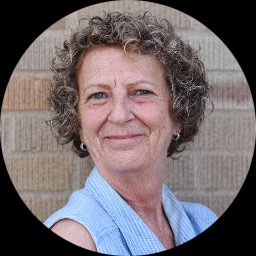
Candice Yeargin
LCPC
Trauma-informed, practical counseling approach
- Trauma-focused methods
- Client-directed care
- 20 years experience
About Candice
She adapts methods to each person rather than using a single approach. That can mean drawing on trauma-focused practices, cognitive behavioral techniques, or client-centered work depending on what the person needs. Sessions focus on clear goals and steps people can use between meetings.
Candice has two decades of clinical experience since receiving her license in 1999. She holds a bachelor’s degree in criminal justice and a master’s degree in education with a focus on community counseling. Her background includes work with a wide range of concerns, from anxiety and depression to addiction, trauma, grief, and family issues.
She also lists support for matters like adoption and foster care, caregiver stress, communication struggles, and life changes such as divorce and bereavement. Motivational interviewing and attachment-informed thinking are part of her toolbox when appropriate.
Outside of clinical work she grew up in the Midwest and has lived across the United States. She enjoys reading and golf and shares her home with two pets. If the style described here feels like a fit, the next step is to complete the short intake process to connect and plan sessions together.
How therapeutic approaches translate to online care
Trauma-focused therapy concentrates on addressing the impact of traumatic experiences. It often involves pacing, grounding skills, and targeted strategies to help reduce distress linked to past events. This approach can be useful for people coping with trauma symptoms, anxiety, and related challenges.Attachment-based therapy looks at how early relationships shape current patterns. It helps people understand emotional needs and build more reliable ways of connecting with others, which can ease relationship strain and improve emotional regulation.
Finding the right approach is part of the work. The therapist will collaborate with the client to choose or combine methods based on goals, needs, and preferences. Sessions are a team effort where plans are adjusted as the client learns what helps.
Practical benefits of online therapy can include easier fitting sessions into a busy schedule, making shorter check-ins possible, and allowing work from a quieter place when needed. The therapist's biography does not specify exact session formats, so confirm available options before booking. Online work can still use trauma-focused, attachment-based, and client-centered techniques adapted for remote sessions, with attention to pacing and clear steps between meetings.
These summaries are based on the profile information listed on BetterHelp. Listing trauma-focused therapy does not mean a therapist holds a specific certification such as TF-CBT, EMDR or CPT.
Areas of expertise
Primary focus
Also works with
Additional focus areas
Therapeutic approaches
Experience
20+ years
Credentials
Illinois
Languages
English
Licenses listed
- LCPC, Illinois180003699
- NPI1265628150
As listed on the therapist's profile. You can check a license with the state licensing board and an NPI in the national registry.
Frequently asked questions
What types of concerns does this therapist address?
Candice works with a wide range of concerns including stress, anxiety, depression, trauma and abuse, addictions, relationship and family issues, grief, parenting, anger, self-esteem, bipolar disorder, and coping with life changes.
How would you describe the therapeutic style and approach?
Her style is open and direct and she uses an individualized blend of methods. She draws on trauma-focused therapy, cognitive behavioral techniques, client-centered care, attachment-based ideas, and motivational interviewing as needed.
What is her clinical background and experience?
She has practiced since receiving her license in 1999 and brings about 20 years of clinical experience. Her training combines a bachelor’s in criminal justice with a master’s in education focused on community counseling.
Where is this therapist located and what credential is held?
The clinician holds an Illinois LCPC credential and practices in Illinois.
Are sessions available in other languages or to international clients?
Sessions are offered in English and the therapist does accept international clients.
What session formats are offered for meetings?
The original biography does not specify exact session formats; please confirm current session options before scheduling so you know whether in-person or remote sessions are available.
How is cost handled for therapy sessions?
Cost varies with location and therapist availability, and sessions use a subscription model that can be canceled at any time.
How do I begin working with this therapist?
Start by selecting the Start Therapy button, complete a short matching questionnaire, and then schedule sessions according to the therapist's availability.
Therapists on BetterHelp do not prescribe medication; a doctor can talk with you about medical options. This directory is not a crisis service. If you are in immediate danger, call 911. If you are thinking about suicide, call or text 988.