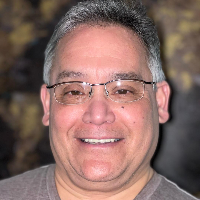
Carlos Camarena
LSCSW
Experienced social worker focused on trauma recovery
- 30 years experience
- Trauma-informed approach
- English sessions
About Carlos
How trauma-focused and practical approaches work online
Trauma-Focused Therapy helps people process painful memories and reduce how strongly those memories affect daily life. It often involves careful pacing, grounding skills, and working on specific memories or reactions to lessen their impact. Client-Centered Therapy centers on listening and building a strong working relationship. The therapist follows the person's lead, reflects what is said, and helps people find their own solutions to problems such as anxiety, low self-worth, or relationship concerns. Finding the right approach is a collaborative process. The therapist will discuss goals, preferences, and what feels most helpful. Together they decide which methods to try and adjust them based on how the person responds over time. Online therapy can make it easier to fit sessions into a busy life, reducing travel and saving time. It can also allow for shorter check-ins when schedules are tight, or sessions that work around work and family obligations. Because the original biography does not list specific session formats, confirm current online options before booking. Licensed professionals use these approaches to help people practice coping skills, plan step-by-step changes, and manage symptoms between sessions.These summaries are based on the profile information listed on BetterHelp. Listing trauma-focused therapy does not mean a therapist holds a specific certification such as TF-CBT, EMDR or CPT.
Areas of expertise
Primary focus
Also works with
Additional focus areas
Therapeutic approaches
Experience
30+ years
Credentials
Kansas
Languages
English
Licenses listed
- LSCSW, KansasLSCSW 1648
- NPI1346295169
As listed on the therapist's profile. You can check a license with the state licensing board and an NPI in the national registry.
Frequently asked questions
What kinds of concerns does Carlos help with?
Carlos works with a broad range of concerns including stress, anxiety, trauma and abuse, depression, addictions, sleep problems, self-esteem, grief, relationship and intimacy issues, and coping with life changes.
What is his general therapy style?
He uses a listening-first, practical approach that helps people identify goals and take small steps forward. Sessions often focus on problem solving, coping skills, and clear next steps.
How much experience does he bring?
He has 30 years of experience, beginning in case management in 1980 and earning a Master of Social Work in 1991 before working in county mental health services.
What credentials and location are listed?
He is a KS LSCSW, which means a Licensed Specialist Clinical Social Worker in Kansas, and he practices from Kansas.
Are sessions offered in other languages or internationally?
Sessions are offered in English, and he accepts international clients.
What session formats are available?
The original biography did not list specific session formats; please confirm current session options before booking.
How are costs handled?
Cost varies with location and therapist availability; sessions use a subscription that can be canceled at any time.
What do I do to get started?
Select the Start Therapy button, complete a short matching questionnaire, and then schedule according to the therapist's availability.
Therapists on BetterHelp do not prescribe medication; a doctor can talk with you about medical options. This directory is not a crisis service. If you are in immediate danger, call 911. If you are thinking about suicide, call or text 988.