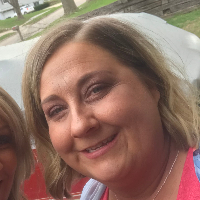
Carrie Hillebrandt
LIMHP, LMHP
Experienced therapist focused on trauma recovery
- Trauma-informed care
- Values-based strategies
- Practical coping skills
About Carrie
Carrie uses a mix of practical methods in sessions. She draws on Trauma-Focused Therapy and Cognitive Behavioral Therapy to identify patterns that cause distress and to build clearer, doable steps forward. She also uses Acceptance and Commitment Therapy and client-centered approaches to help people find values-based direction and feel heard while making changes.
She has worked in residential settings and private practice and has experience with a wide range of challenges including bipolar disorder, ADHD, compassion fatigue, and adoption-related concerns. Carrie emphasizes building rapport early so clients can feel safe to talk about painful experiences and to try new coping strategies.
Sessions are shaped around each person's needs rather than a fixed formula. Carrie explains options, checks what fits, and adjusts plans as progress and life circumstances change. She also consults and supervises other clinicians as part of her ongoing professional work.
People who reach out can expect straightforward conversation, practical tools, and a steady focus on the goals they name. To begin, clients complete a short matching questionnaire and schedule sessions according to availability.
How therapeutic approaches translate to online sessions
Trauma-Focused Therapy helps people process painful memories and reduce their ongoing impact. In practice this can mean pacing conversations about difficult events, teaching grounding and coping skills, and building steps to feel safer in day-to-day life.Acceptance and Commitment Therapy, or ACT, focuses on clarifying what matters to someone and learning small actions that align with those values. It uses simple exercises to notice thoughts without getting stuck in them and to try behavior changes that match a person's goals.
Attachment-Based Therapy pays attention to how early relationships shape current patterns. Work in this approach often involves naming relationship expectations, practicing new ways of asking for support, and changing interaction habits that cause pain.
Finding the right approach is part of therapy. The therapist will talk with each person about their history, goals, and preferences and will decide together which methods to try. That collaborative plan can change over time as progress is made.
The original biography does not list specific online session formats, so confirm available options before booking. Online work can make it easier to fit sessions into a busy life, allow shorter check-ins when helpful, and reduce travel time. Licensed professionals also adapt exercises and homework for use between sessions so skills carry into everyday routines.
These summaries are based on the profile information listed on BetterHelp. Listing trauma-focused therapy does not mean a therapist holds a specific certification such as TF-CBT, EMDR or CPT.
Areas of expertise
Primary focus
Also works with
Additional focus areas
Therapeutic approaches
Experience
16+ years
Credentials
Nebraska, Nebraska
Languages
English
Licenses listed
- LIMHP, Nebraska696
- LMHP, Nebraska3458
- NPI1710180369
As listed on the therapist's profile. You can check a license with the state licensing board and an NPI in the national registry.
Frequently asked questions
What concerns does Carrie commonly address?
She helps people with stress, anxiety, depression, trauma and abuse, parenting, relationship and family issues, grief, and life changes. The practice also works with ADHD, bipolar concerns, compassion fatigue, and adoption-related issues.
What is her therapeutic style like?
She emphasizes a respectful, patient, person-centered approach that starts with building rapport. Sessions focus on listening, identifying goals, and using practical steps to move forward.
How much experience does she have?
Carrie has been working in the mental health field since 2007, bringing 16 years of clinical experience across residential and private practice settings.
What credentials and location are listed?
She holds LIMHP and LMHP credentials in Nebraska and practices in that state.
Are sessions offered in other languages or internationally?
Sessions are offered in English, and she accepts international clients.
What session formats are available?
The original biography does not specify session formats. Please confirm current session options before booking.
How does payment and cost work?
Cost varies with location and therapist availability; sessions use a subscription that can be canceled at any time.
How do I begin working with her?
Start by selecting the Start Therapy button, completing a short matching questionnaire, and scheduling according to therapist availability.
Therapists on BetterHelp do not prescribe medication; a doctor can talk with you about medical options. This directory is not a crisis service. If you are in immediate danger, call 911. If you are thinking about suicide, call or text 988.