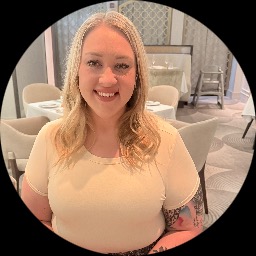
Cassandra Walker
LPCC
Practical, steady support for trauma and recovery
- Trauma-informed approach
- Skills focused
- Strengths based
About Cassandra
She began her career working with people facing chemical dependency and later expanded to broader mental health needs. That background gives her familiarity with motivation, coping skills, and relapse concerns that often come up alongside other symptoms. Cassandra trusts that each person knows their own story and brings strengths to the work.
In sessions she focuses on building skills people can use between appointments. She draws on Trauma-Focused Therapy along with approaches such as Acceptance and Commitment Therapy, Cognitive Behavioral Therapy, and Client-Centered methods to match tools to each person’s needs. The goal is to reduce distress and increase practical coping strategies.
Cassandra aims to make therapy feel accessible and direct. She listens, helps identify small achievable goals, and practices techniques together in session. People often leave with clear steps to try between meetings.
If someone is weighing options, she encourages a short conversation to see if her way of working feels like a fit. Prospective clients can learn how scheduling and the matching process works before committing to sessions.
How therapeutic approaches translate to online work
Cognitive Behavioral Therapy (CBT) helps people notice and change unhelpful thinking and behavior patterns. In online sessions this often means learning practical exercises and homework to reduce anxiety or depressive symptoms. Trauma-Focused Therapy focuses on addressing the effects of past harm and building coping skills to manage triggers and intrusive memories. When used online it emphasizes stabilization, grounding, and pacing work so people feel ready to process difficult material. Acceptance and Commitment Therapy (ACT) teaches ways to accept hard feelings while choosing actions that match personal values, useful for anxiety, depression, and motivation struggles.Finding the best approach is a shared process. Cassandra will work with each person to choose methods that fit their goals, needs, and preferences. She adapts tools over time based on what helps in day-to-day life and checks in regularly about what is or isn’t working.
The practical benefits of online therapy include fitting sessions into a busy schedule and reducing travel time so therapy can be easier to keep. If you want to know which session formats are available, confirm current options before booking. The focus is on making therapy usable in everyday life and helping people practice skills between meetings so change can happen gradually.
These summaries are based on the profile information listed on BetterHelp. Listing trauma-focused therapy does not mean a therapist holds a specific certification such as TF-CBT, EMDR or CPT.
Areas of expertise
Primary focus
Additional focus areas
Therapeutic approaches
Experience
9+ years
Credentials
Ohio
Languages
English
Licenses listed
- LPCC, OhioE.2303687-SUPV
- NPI1366940355
As listed on the therapist's profile. You can check a license with the state licensing board and an NPI in the national registry.
Frequently asked questions
What concerns does Cassandra commonly address?
She works with stress, anxiety, addictions, trauma and abuse, self-esteem issues, and depression, plus related concerns such as attachment, body image, and dissociation.
What is her general therapy style?
Her style is direct and supportive, focusing on practical skills and collaborative goal setting. Techniques are chosen to fit the person rather than using one fixed method.
How many years of experience does she have?
Cassandra has nine years of professional work experience, including early work with chemically dependent individuals and later broader mental health practice.
What credential does she hold and where is she based?
She holds an LPCC credential and is licensed in Ohio.
Which languages are supported for sessions?
Sessions are offered in English.
Does she work with international clients?
She does not accept international clients at this time.
How is cost handled for sessions?
Cost varies with location and therapist availability; sessions use a subscription that can be canceled at any time.
How do I begin working with her?
Choose the Start Therapy button, complete the short matching questionnaire, and then schedule sessions according to therapist availability.
Therapists on BetterHelp do not prescribe medication; a doctor can talk with you about medical options. This directory is not a crisis service. If you are in immediate danger, call 911. If you are thinking about suicide, call or text 988.