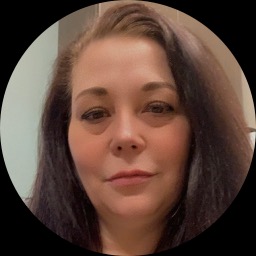
Christina (Crissy) Irrgang-Wade
LPCC
Trauma-informed counselor with practical tools
- Trauma-focused care
- Client-centered approach
- CBT techniques
About Christina
Crissy uses several practical methods to address symptoms like anxiety, depression, and post-traumatic stress. She includes cognitive behavioral ideas to help people notice and change unhelpful thoughts and behaviors. Emotionally-focused and existential approaches help clients explore feelings, values, and meaning when life feels confusing.
Her background includes work with Native American communities and familiarity with Ojibwe cultural perspectives. She also has experience supporting teens with anger, motivation, self-esteem, and confidence concerns, and she sees adults and elders for a wide range of issues.
Crissy lists trauma and abuse, addictions, grief, parenting stress, career transitions, and compassion fatigue among her focus areas. She can address more specific concerns such as panic attacks, phobias, postpartum depression, and process addictions. Additional areas include adoption and foster care, first responder issues, veterans and armed forces concerns, and multicultural stressors.
Her practice emphasizes working at each person’s pace and building on strengths. Clients are invited to describe their story and goals, and to try approaches that match their needs. To begin, people select the Start Therapy button and complete a short matching questionnaire to schedule with the clinician.
How these approaches translate to online therapy
Trauma-Focused Therapy focuses on helping people process and reduce the impact of traumatic events. It often combines careful pacing with techniques that address how the body and mind store distressing memories. Client-Centered Therapy emphasizes listening, empathy, and collaborative goal setting so people feel understood as they work through difficult feelings. Cognitive Behavioral Therapy (CBT) helps identify patterns of thinking and behaviors that keep problems going and offers concrete tools to test and change them.Choosing a therapeutic approach is a team effort. The therapist will talk with the client about goals, preferences, and what feels most helpful. Together they can try one method or blend approaches over time to find what fits the person and the situation.
The biography does not list specific session formats, so confirm available options before booking. Online work can make it easier to fit sessions into a busy life, such as shorter check-ins during a work break or avoiding travel time. It can also let people access clinicians who understand cultural backgrounds or trauma issues without needing to relocate. Ask about session length and scheduling when completing the intake questionnaire so arrangements match everyday routines.
These summaries are based on the profile information listed on BetterHelp. Listing trauma-focused therapy does not mean a therapist holds a specific certification such as TF-CBT, EMDR or CPT.
Areas of expertise
Primary focus
Also works with
Additional focus areas
Therapeutic approaches
Experience
11+ years
Credentials
Minnesota
Languages
English
Licenses listed
- LPCC, MinnesotaCC01998
- NPI1134690969
As listed on the therapist's profile. You can check a license with the state licensing board and an NPI in the national registry.
Frequently asked questions
What concerns does this therapist help with?
The therapist works with stress, anxiety, trauma and abuse, anger, low self-esteem, depression, addictions, grief, and related issues such as panic attacks, phobias, and postpartum depression.
How would you describe the therapeutic style?
Sessions are patient and nonjudgmental, using trauma-focused and client-centered ideas along with cognitive behavioral and emotionally-focused methods to help people process feelings and try new behaviors.
What experience do they bring to sessions?
She has 11 years of professional work experience, including many years working with Native American communities and knowledge of Ojibwe cultural perspectives.
What are the credentials and location listed?
The clinician is an LPCC - licensed professional clinical counselor - and is based in Minnesota.
Are sessions offered in other languages or internationally?
Sessions are offered in English and international clients are not currently accepted.
What session formats are available?
The original biography does not list specific session formats; please confirm current session options before scheduling.
How does pricing work for sessions?
Cost varies with location and therapist availability and sessions use a subscription that can be canceled at any time.
How do I begin working with this clinician?
Select the Start Therapy button, complete the short matching questionnaire, and schedule according to the therapist's availability.
Therapists on BetterHelp do not prescribe medication; a doctor can talk with you about medical options. This directory is not a crisis service. If you are in immediate danger, call 911. If you are thinking about suicide, call or text 988.