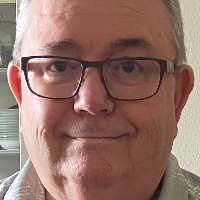
David Affolter
LMHC, LPCC
Guide for trauma, stress, and life change
- Practical steps forward
- Grounded listening style
- Longterm clinical experience
About David
He served in the Air Force, then spent almost twenty years as a high school teacher and coach. Those years shaped how he listens and responds to people who feel stuck or unsure. After his children left for college he completed a graduate degree in Community Counseling at The University of Akron in 1994 and moved into clinical practice.
David holds the Licensed Mental Health Counselor credential and the Licensed Professional Clinical Counselor credential. He has worked in counseling for more than 27 years and says much of his work is about giving new information, new perspectives, and helping people decide where they want to go.
In sessions he focuses on understanding how life has caused wounds and on practical steps to heal. He uses approaches such as Trauma-Focused Therapy, Acceptance and Commitment Therapy, Cognitive Behavioral Therapy, Dialectical Behavior Therapy, and Client-Centered Therapy to match what each person needs.
People who choose him often look for a therapist who combines life experience with steady clinical practice. David frames therapy as a journey toward new ways of living, renewed purpose, and clearer direction, and he invites clients to take that journey alongside him.
Therapeutic approaches and online care
David uses Trauma-Focused Therapy to help people process and move through difficult experiences, focusing on how past events continue to affect daily life. Acceptance and Commitment Therapy (ACT) helps people notice unhelpful thoughts and commit to actions that reflect their values. Cognitive Behavioral Therapy (CBT) targets patterns of thinking and behavior that keep problems going and teaches practical skills to change them.Choosing the right approach is a team effort. The therapist will talk with each person about their needs, goals, and preferences and then suggest approaches to try. Decisions about methods are revisited as progress is made so the plan can be adjusted together.
The profile does not specify which session formats are offered, so confirm available options before booking. Many people find online work helpful because it can fit into a busy schedule, reduce travel time, and make it easier to keep regular appointments. Online sessions can allow shorter check-ins when needed or full-length visits when more time is helpful, and the therapist will help figure out what scheduling style works best.
These summaries are based on the profile information listed on BetterHelp. Listing trauma-focused therapy does not mean a therapist holds a specific certification such as TF-CBT, EMDR or CPT.
Areas of expertise
Primary focus
Also works with
Additional focus areas
Therapeutic approaches
Experience
27+ years
Credentials
Florida, Ohio
Languages
English
Licenses listed
- LMHC, FloridaMH6268
- LPCC, OhioE.2102075
- NPI1033388053
As listed on the therapist's profile. You can check a license with the state licensing board and an NPI in the national registry.
Frequently asked questions
What concerns does David commonly address?
He supports people facing stress, anxiety, trauma and abuse, depression, addictions, relationship and family issues, grief, eating and intimacy-related problems, anger, career questions, and ADHD among other concerns.
How would you describe his therapeutic approach?
Sessions emphasize clear listening, practical information, and steps clients can try between meetings. He blends trauma-focused work with ACT, CBT, DBT, and client-centered techniques to suit the person.
How much clinical experience does he have?
He has worked in counseling for 27 years, following nearly two decades as a high school teacher and coach prior to his counseling career.
What credentials and location should I know about?
He holds LMHC and LPCC credentials and practices from Ohio while also holding licensure in Florida as documented.
Can I work with him if I live outside the United States?
Sessions are offered in English and he is not accepting international clients at this time.
What session formats are available?
The original profile does not list specific session formats. Please confirm current session options before booking so you know whether online or in-person sessions are offered.
How does billing and cost work?
Cost varies with location and therapist availability; sessions use a subscription that can be canceled at any time.
What is the first step to begin therapy?
Use the Start Therapy button, complete a short matching questionnaire, and schedule according to therapist availability.
Therapists on BetterHelp do not prescribe medication; a doctor can talk with you about medical options. This directory is not a crisis service. If you are in immediate danger, call 911. If you are thinking about suicide, call or text 988.