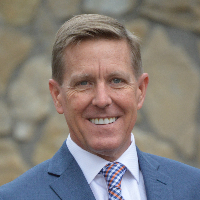
David Yoder
LPC
Calm person-centered care for life changes
- Person-centered approach
- Trauma-informed tools
- Practical coping skills
About David
He prefers plain talk and practical steps in sessions. David combines a Client-Centered approach with tools from Cognitive Behavioral Therapy (CBT) and Dialectical Behavior Therapy (DBT) when helpful. He also uses Trauma-Focused Therapy, existential ideas, hypnotherapy, breathwork, and other methods depending on what fits each person.
His focus includes common life pressures such as relationships, parenting, career shifts, grief, sleep problems, and questions of identity including LGBT concerns. He also supports people dealing with ADHD, bipolar symptoms, anger, and issues tied to family of origin or codependency. Additional areas he notices often include impulse control, isolation, guilt, and finding life purpose.
Sessions aim to identify what the person wants to change and then try different ways to move toward that picture. David emphasizes collaboration: clients set goals and he offers practical strategies and coping skills. His style is steady and straightforward, with an eye toward real-life improvements.
He practices in Missouri and conducts work in English. People who want to get started use the site's matching process and schedule based on availability.
How Trauma-Focused and Practical Approaches Work Online
David uses Trauma-Focused Therapy to address the impact of past harm in everyday functioning, helping people process difficult memories and reduce their hold on current life. He also works from a Client-Centered stance, which means sessions start by listening closely to what matters to the person and building goals from there. Cognitive Behavioral Therapy (CBT) is used to identify unhelpful thoughts and try small behavior changes that improve mood and stress.Choosing the right approach is a team effort. The therapist will talk with the client about goals, preferences, and how symptoms show up day to day. Together they decide which methods to try first and adjust the plan as progress is made or needs change.
Confirm the current session options before booking, since formats are set by the therapist and the platform. Online work can make it easier to fit therapy into a busy life by reducing travel time, allowing shorter check-ins when needed, and offering more flexible scheduling. It can also let people practice skills in the settings where they actually live and work, which often helps generalize new habits to daily routines.
These summaries are based on the profile information listed on BetterHelp. Listing trauma-focused therapy does not mean a therapist holds a specific certification such as TF-CBT, EMDR or CPT.
Areas of expertise
Primary focus
Also works with
Additional focus areas
Therapeutic approaches
Experience
6+ years
Credentials
Missouri
Languages
English
Licenses listed
- LPC, Missouri2017028738
- NPI1790398675
As listed on the therapist's profile. You can check a license with the state licensing board and an NPI in the national registry.
Frequently asked questions
What kinds of concerns does he address?
He works with stress, anxiety, depression, addiction, trauma and abuse, and related issues like sleep, grief, and life transitions.
What is his therapeutic style like?
He favors a Client-Centered approach that puts the person first, and uses techniques from CBT and DBT when they fit the client's needs.
How much clinical experience does he have?
He has six years of experience as a Licensed Professional Counselor.
What credentials and location are listed?
He is an LPC (Licensed Professional Counselor) practicing in Missouri.
Which languages are supported for sessions?
Sessions are offered in English.
Will he see clients outside the country?
He does not accept international clients at this time.
How are fees and payment handled?
Cost varies with location and therapist availability; sessions use a subscription that can be canceled at any time.
How do I begin therapy with him?
Select the Start Therapy button, complete a short matching questionnaire, and schedule according to therapist availability.
Therapists on BetterHelp do not prescribe medication; a doctor can talk with you about medical options. This directory is not a crisis service. If you are in immediate danger, call 911. If you are thinking about suicide, call or text 988.