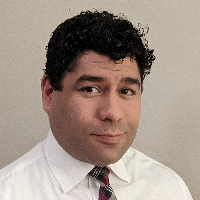
Elliott Lugo
LCSW
Practical, trauma-informed social worker
- Trauma-focused care
- Skills-focused work
- Calm non-judgmental space
About Elliott
He begins by asking about what matters most to each person and how they see themselves and others. That helps identify specific thoughts, behaviors, and skill gaps that make progress hard. From there he works with clients to try different ideas and actions that can lead toward a more satisfying life.
Elliott uses a mix of practical approaches in sessions, including trauma-focused work, attachment-based ideas, client-centered methods, cognitive behavioral therapy, and dialectical behavior therapy. He keeps language simple and breaks complex problems into clear steps that are easy to follow. Sessions aim to build skills and small changes rather than rely on jargon.
He describes the therapy space as calm and non-judgmental and says it is important that people feel heard and valued. Elliott also notes that sometimes a match doesn’t fit, and he will help find a better fit when that happens.
Typical sessions run 45 to 50 minutes, though shorter meetings can be arranged. He usually responds to messages in the late afternoon or next morning and is not working on Fridays and Saturdays.
How Elliott’s approaches translate to online therapy
Trauma-focused work helps people process difficult experiences by creating a steady rhythm in sessions, teaching coping skills, and gently revisiting memories when the person is ready. It can help with symptoms that come after abuse, accidents, or other painful events.Attachment-based ideas focus on patterns in relationships and how early connections shape expectations today. This approach is useful for people trying to improve communication, manage closeness and distance, or understand patterns that show up in parenting and adult relationships.
Finding the right approach is a team effort. Elliott will talk with each person about goals, preferences, and what feels most helpful, and then try methods that fit those needs. He emphasizes collaboration and adjusts the plan if something doesn’t feel useful.
Practical benefits of online therapy include fitting sessions into a busy week and avoiding travel time so appointments are easier to keep. Some people prefer shorter check-ins when their schedule is tight, while others use full-length sessions for deeper work; Elliott notes his typical meeting length is 45 to 50 minutes but shorter sessions can be arranged. The biography does not list specific remote formats, so confirm current session options before booking to make sure they meet your needs.
These summaries are based on the profile information listed on BetterHelp. Listing trauma-focused therapy does not mean a therapist holds a specific certification such as TF-CBT, EMDR or CPT.
Areas of expertise
Primary focus
Also works with
Additional focus areas
Therapeutic approaches
Experience
17+ years
Credentials
Illinois
Languages
English
Licenses listed
- LCSW, Illinois149.022246
- NPI1942647599
As listed on the therapist's profile. You can check a license with the state licensing board and an NPI in the national registry.
Frequently asked questions
What kinds of concerns does Elliott address?
He works with stress, anxiety, addictions, trauma and abuse, self-esteem, depression, relationship and family issues, grief, eating concerns, parenting, anger, bipolar disorder, coping with life changes, and ADHD, plus related areas such as attachment issues and codependency.
What is his general therapy style like?
He uses straightforward, conversational sessions that break problems into clear steps and focus on building practical skills. The work blends trauma-focused methods, attachment ideas, client-centered listening, CBT, and DBT techniques as needed.
How long has he been practicing?
He has 17 years of experience providing mental health counseling in a variety of settings.
What credentials and location are listed?
He holds the LCSW credential and practices in Illinois.
Which languages are sessions offered in?
Sessions are offered in English and international clients are not currently accepted.
What session formats are available?
The original biography does not list specific session formats; please confirm current session options before booking.
How does pricing work?
Cost varies with location and therapist availability, and sessions use a subscription that can be canceled at any time.
How do I get started with Elliott?
Click the Start Therapy button, complete a short matching questionnaire, and schedule according to therapist availability.
Therapists on BetterHelp do not prescribe medication; a doctor can talk with you about medical options. This directory is not a crisis service. If you are in immediate danger, call 911. If you are thinking about suicide, call or text 988.