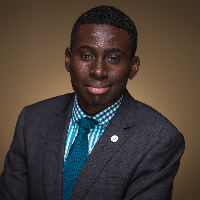
Dr. Emmanuel Oppong
LPCC
Compassionate, practical trauma-informed care
- Client-centered approach
- Trauma-focused methods
- Mindfulness and CBT
About Emmanuel
He draws from several approaches to match each person's needs. That can mean talking through patterns with client-centered work, learning skills from cognitive behavioral therapy, or using trauma-focused tools when past events keep coming up. He combines methods to focus on what helps most in day-to-day life.
His background includes work in clinics, schools, prisons, and both inpatient and outpatient treatment settings. That variety shaped his practical focus on coping skills, communication, and rebuilding safety after difficult experiences. He has worked with people from diverse communities and with a range of concerns, including addictions, intimacy-related issues, and identity stress.
Sessions tend to emphasize simple, repeatable strategies. These include goal-setting, problem-solving, mindfulness practices, and when appropriate, trauma-focused techniques aimed at reducing distress from upsetting memories. The goal is steady progress you can notice between meetings.
Dr. Oppong speaks English and the Ghanaian languages Akan and Twi. He is based in Minnesota and is open to working with international clients. To begin, follow the site steps to match with him and schedule a first visit.
How his approaches translate to online work
Trauma-Focused Therapy helps people address upsetting memories and the ways those memories affect daily life. In practice this can mean guided processing and techniques aimed at reducing the intensity of distressing recollections. Client-Centered Therapy focuses on listening, understanding, and following the client's lead to set goals and make small changes. Cognitive Behavioral Therapy, or CBT, teaches skills to change unhelpful thinking and behavior patterns so stress and anxiety become easier to manage.Finding the right approach is part of the work together. He will discuss goals and preferences, and then suggest methods likely to help. Clients and the therapist decide collaboratively which tools to try and adjust them as progress unfolds.
The practical benefits of online therapy often include easier scheduling and fitting sessions into a busy week. It can reduce travel time and make it simpler to keep regular appointments. If you plan to work online, confirm the specific session options available before booking so you know what format will be used. The focus remains on delivering approaches that fit your life and goals, whether that means skill-building, trauma-focused work, or a listening-based, client-centered process.
These summaries are based on the profile information listed on BetterHelp. Listing trauma-focused therapy does not mean a therapist holds a specific certification such as TF-CBT, EMDR or CPT.
Areas of expertise
Primary focus
Also works with
Additional focus areas
Therapeutic approaches
Experience
11+ years
Credentials
Minnesota
Languages
English, Akan, Twi
Licenses listed
- LPCC, Minnesota1176
- NPI1023605664
As listed on the therapist's profile. You can check a license with the state licensing board and an NPI in the national registry.
Frequently asked questions
What concerns does he address?
He helps people facing stress, anxiety, depression, addictions, grief, relationship and family struggles, trauma and abuse, intimacy-related and anger issues, and self-esteem problems.
How would he describe his therapeutic style?
He uses a practical, client-centered style that blends approaches. Sessions focus on clear skills, problem solving, and building coping strategies that fit everyday life.
What is his professional background?
He has eleven years of experience working in clinics, schools, prisons, and inpatient and outpatient treatment settings.
What credentials and location are listed?
He holds the LPCC credential, listed as MN LPCC, and practices out of Minnesota.
Which languages can sessions be held in?
Sessions are offered in English, Akan, and Twi.
Can international clients work with him?
International clients are accepted. Confirm details about scheduling and any regional considerations before booking.
How does payment and cost work?
Cost varies with location and therapist availability; sessions use a subscription that can be canceled at any time.
What are the steps to begin working together?
Select the Start Therapy button, complete a short matching questionnaire, and schedule a session based on the therapist's availability.
Therapists on BetterHelp do not prescribe medication; a doctor can talk with you about medical options. This directory is not a crisis service. If you are in immediate danger, call 911. If you are thinking about suicide, call or text 988.