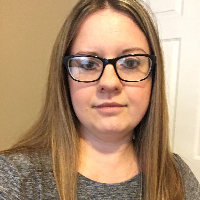
Faith Hayes
LMHC
Compassionate counselor for trauma and stress
- Trauma-informed approach
- Practical coping skills
- Collaborative goal setting
About Faith
She approaches counseling in a flexible way, combining methods that suit the individual rather than following a single formula. That can mean using Trauma-Focused Therapy for past harm, Cognitive Behavioral techniques to shift unhelpful thinking, or skills from Dialectical Behavior Therapy to regulate strong emotions. Sessions emphasize concrete skills, moment-to-moment coping, and building on existing strengths.
Faith names compassion and empathy as central to her work. She understands both sides of the therapy room, having been a client as well as a therapist, and she aims to create a respectful space where people feel heard. Her style is collaborative: she talks with clients about goals and adjusts the plan as needs change.
She also brings a broad focus to related concerns such as parenting strain, grief, addiction, self-esteem, ADHD, and mood disorders. Faith pays attention to family of origin issues, communication problems, and challenges tied to adoption or abandonment when those come up in sessions.
If someone is ready to begin, she asks them to take practical steps toward change and will support them through the process. The emphasis is on usable tools, clearer thinking, and small changes that add up over time.
How Trauma-Focused and Skills-Based Work Translate Online
Faith uses Trauma-Focused Therapy to help people process past harm and reduce its hold on daily life. That approach focuses on addressing traumatic memories and their impact so clients can feel less overwhelmed by reminders and triggers.She also uses Cognitive Behavioral Therapy (CBT) to identify and change unhelpful thoughts and behaviors, which helps with anxiety, depression, and panic symptoms. Dialectical Behavior Therapy (DBT) skills may be used to teach emotion regulation, distress tolerance, and clearer interpersonal communication.
Choosing the right approach is a team effort. Faith talks with each person about symptoms, goals, and what feels most useful, then adjusts the plan as progress is made. Clients help set session goals and try practical strategies between meetings to test what works.
The biography does not specify exact session formats, so confirm current options before booking. Online therapy can make it easier to fit appointments into a busy week, allow shorter check-ins when time is tight, and reduce travel time. It also supports sessions that focus on skills practice, homework review, and conversational processing without requiring a commute.
These summaries are based on the profile information listed on BetterHelp. Listing trauma-focused therapy does not mean a therapist holds a specific certification such as TF-CBT, EMDR or CPT.
Areas of expertise
Primary focus
Also works with
Additional focus areas
Therapeutic approaches
Experience
14+ years
Credentials
Indiana
Languages
English
Licenses listed
- LMHC, Indiana39002477A
- NPI1558703959
As listed on the therapist's profile. You can check a license with the state licensing board and an NPI in the national registry.
Frequently asked questions
What concerns does Faith commonly address?
She works with stress, anxiety, trauma and abuse, depression, and relationship issues. She also helps with parenting strain, addiction, grief, self-esteem, ADHD, and mood-related concerns.
How would you describe her therapeutic style?
Her style is collaborative and flexible, using practical skills and discussion to meet goals. She blends approaches rather than following a single method.
What is her professional background?
Faith has 14 years of experience in social services and clinical work and has worked in roles as both a therapist and a client.
What credentials and location are listed?
She is an LMHC, licensed in Indiana, and provides services from that location.
Are sessions offered in other languages or internationally?
Sessions are offered in English and international clients are accepted.
What session formats are available?
The original biography does not list specific formats; please confirm current session options before scheduling.
How does pricing work for sessions?
Cost varies with location and therapist availability, and sessions use a subscription that can be canceled at any time.
What are the first steps to begin therapy?
Select the Start Therapy button, complete a short matching questionnaire, and then schedule according to the therapist's availability.
Therapists on BetterHelp do not prescribe medication; a doctor can talk with you about medical options. This directory is not a crisis service. If you are in immediate danger, call 911. If you are thinking about suicide, call or text 988.