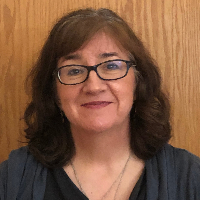
Gillian Van Dien
LPC
Compassionate guidance for trauma and life changes
- Trauma-informed care
- Practical coping skills
- Values-based work
About Gillian
Her style is collaborative and straightforward. She listens for patterns that keep people stuck and works with them to try different ways of responding. Sessions focus on real-life skills - communication, managing strong feelings, and building daily habits that support wellbeing.
Gillian draws on several therapy approaches to fit each person’s needs. She uses Trauma-Focused Therapy to address the impact of painful past events, Acceptance and Commitment Therapy to clarify values and take meaningful steps, and Attachment-Based ideas to strengthen close relationships. Cognitive Behavioral techniques are used to notice and shift unhelpful thoughts and behaviors.
With 17 years of experience as a licensed professional counselor in Wisconsin, she has worked with people navigating midlife changes, cultural pressures, caregiving stress, chronic illness, and compounding losses. That background informs practical strategies for coping and rebuilding day-to-day life.
Sessions tend to emphasize small, manageable changes and steady progress. Gillian aims to help clients reconnect with purpose, reduce reactive patterns, and find clearer ways to handle relationships and everyday stressors.
How therapy approaches shape online work
Trauma-Focused Therapy looks at how past painful events affect present thoughts, feelings, and relationships. It focuses on reducing distress linked to those memories and building skills to manage strong reactions.Acceptance and Commitment Therapy (ACT) helps people clarify what matters to them and take steps toward those values, even when hard feelings are present. It is useful for anxiety, depression, and life transitions where motivation and meaning are concerns.
Attachment-Based Therapy emphasizes how early and current relationship patterns influence trust, intimacy, and communication. It can help people notice patterns and practice new ways of relating to others.
Finding the right approach is part of the work. The therapist will talk with clients about goals, preferences, and what feels helpful, then try methods that match those needs. This is a collaborative process and may shift over time as progress is reviewed.
If you are considering online therapy, confirm the current session options before booking. Many people find online work easier to fit into a busy schedule, allowing shorter check-ins or sessions that match a weekday break. Online sessions can also make it simpler to keep up with regular sessions when travel, caregiving, or work makes in-person visits difficult.
These summaries are based on the profile information listed on BetterHelp. Listing trauma-focused therapy does not mean a therapist holds a specific certification such as TF-CBT, EMDR or CPT.
Areas of expertise
Primary focus
Also works with
Additional focus areas
Therapeutic approaches
Experience
17+ years
Credentials
Wisconsin
Languages
English
Licenses listed
- LPC, Wisconsin4237-125
- NPI1487278404
As listed on the therapist's profile. You can check a license with the state licensing board and an NPI in the national registry.
Frequently asked questions
What kinds of problems does this therapist focus on?
Gillian focuses on stress, anxiety, depression, relationship problems, trauma and abuse, self-esteem, grief, eating and body image issues, parenting concerns, career questions, and coping with life changes.
How would you describe the therapy style here?
The approach is collaborative and practical. Gillian listens, helps identify patterns, and works with clients on skills like communication, emotion regulation, and behavior changes.
What experience does the therapist bring?
She has 17 years of experience as a practicing counselor and has supported people through midlife transitions, caregiving stress, chronic illness, and complex emotional challenges.
What credentials and region are associated with this therapist?
She holds the LPC credential, which stands for Licensed Professional Counselor, and practices in Wisconsin.
Which languages are sessions available in?
Sessions are offered in English.
Can international clients work with this therapist?
International clients are not currently accepted.
How are costs handled for sessions?
Fees vary with location and therapist availability, and sessions use a subscription that can be canceled at any time.
What do I do to begin working with this therapist?
Select the Start Therapy button, complete a short matching questionnaire, and schedule according to therapist availability.
Therapists on BetterHelp do not prescribe medication; a doctor can talk with you about medical options. This directory is not a crisis service. If you are in immediate danger, call 911. If you are thinking about suicide, call or text 988.