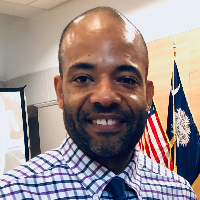
Glenn Parks
LPC
Calm, practical therapy for life changes
- Trauma-informed approach
- Goal focused
- Collaborative care
About Glenn
How his therapeutic approaches translate online
Trauma-Focused Therapy focuses on addressing the impact of traumatic events and the ways those experiences shape daily life. It often involves talking about difficult memories, developing coping skills, and practicing strategies to reduce distress when memories or reminders arise.Acceptance and Commitment Therapy, or ACT, helps people clarify what matters most to them and take actions that match those values. It includes exercises to notice thoughts and feelings without getting stuck, which can help with anxiety, depression, and life transitions.
Finding the right approach is part of the work. Glenn will collaborate with each person to decide which methods fit their goals and preferences, and adjust the plan over time. That means trying techniques, checking how they feel, and shifting strategies if something isn’t helpful.
The practical benefits of online therapy often include easier scheduling and fewer travel barriers, which can make it simpler to fit sessions around work, school, or family commitments. Online options can also allow shorter check-ins when a full session isn’t needed, or reduce the need to be on camera if that helps someone focus. Session formats are not listed in the biography, so confirm the current options before booking to make sure they match your needs.
These summaries are based on the profile information listed on BetterHelp. Listing trauma-focused therapy does not mean a therapist holds a specific certification such as TF-CBT, EMDR or CPT.
Areas of expertise
Primary focus
Also works with
Additional focus areas
Therapeutic approaches
Experience
20+ years
Credentials
Georgia, Wisconsin
Languages
English
Licenses listed
- LPC, GeorgiaLPC007413
- LPC, Wisconsin3490 - 125
- NPI1659588507
As listed on the therapist's profile. You can check a license with the state licensing board and an NPI in the national registry.
Frequently asked questions
What concerns does Glenn address?
He helps with stress, anxiety, depression, trauma and abuse, relationship issues, grief, parenting and intimacy-related concerns as well as ADHD, bipolar, eating and sleeping problems.
What is his therapy style like?
His style is client-centered and practical. He listens, helps set clear goals, and adapts methods to fit each person.
How much clinical experience does he have?
He has 20 years of experience working in outpatient clinics, schools, community settings, and on military bases.
What credentials and region are listed?
He holds the LPC credential and practices in Georgia, with licensure records noted for WI LPC and GA LPC in his background.
Which languages are supported for sessions?
Sessions are offered in English, and he accepts international clients.
What session formats are available?
Session formats are not specified in the biography; please confirm current session options before booking.
How does pricing work for therapy?
Cost varies with location and therapist availability, and sessions use a subscription that can be canceled at any time.
How do I begin working with him?
Use the Start Therapy button, complete a short matching questionnaire, and schedule according to therapist availability.
Therapists on BetterHelp do not prescribe medication; a doctor can talk with you about medical options. This directory is not a crisis service. If you are in immediate danger, call 911. If you are thinking about suicide, call or text 988.