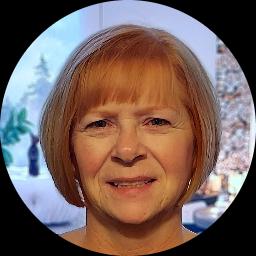
Jacqueline Witsberger
LPCC
Experienced Ohio counselor focused on trauma recovery
- Trauma-Focused Therapy
- Practical coping skills
- Mindful and goal oriented
About Jacqueline
She uses Trauma-Focused Therapy alongside Cognitive Behavioral Therapy and Dialectical Behavior Therapy to address painful memories, unhelpful thinking, and intense emotions. Sessions focus on practical skills, clearer thinking, and coping tools that can be used between meetings. Jacqueline emphasizes a nonjudgmental space where people can name feelings and try different approaches.
Her work also touches on issues like addiction, grief, self-esteem, parenting strain, ADHD, and life transitions. Jacqueline pays attention to attachment and communication patterns that affect daily life. She often mixes mindfulness skills with goal-focused strategies to reduce distress and build routines that feel doable.
Clients can expect straightforward discussions and step-by-step plans rather than abstract theory. Jacqueline encourages small experiments in behavior and emotion regulation to test what helps. The process centers on each person’s goals and on building skills that fit their everyday life.
With many years of practice in Ohio, she brings steady presence and practical methods to the work. People looking for help with trauma-related concerns and coping skills often find this approach useful.
How trauma work and skills-based therapy translate online
Trauma-Focused Therapy helps people process difficult memories and reduce their hold on daily life. It often combines careful pacing with grounding and coping techniques to make distress more manageable.Cognitive Behavioral Therapy, or CBT, looks at patterns of thought and behavior and tests new ways of thinking and acting. It is useful for anxiety, depression, and habits that get in the way of goals.
Finding the right approach is part of the work. The therapist will collaborate with each person to decide which methods fit their goals, symptoms, and everyday routines. That choice may shift as treatment progresses, with a mix of skills training, emotion regulation, and trauma-focused techniques used when helpful.
If you are considering online therapy, confirm the session options before booking so you know what formats are offered. Online care can make it easier to fit sessions into a busy schedule, reduce travel time, and allow shorter check-ins when needed. It also supports working on coping skills and homework between meetings to reinforce progress in daily life.
These summaries are based on the profile information listed on BetterHelp. Listing trauma-focused therapy does not mean a therapist holds a specific certification such as TF-CBT, EMDR or CPT.
Areas of expertise
Primary focus
Also works with
Additional focus areas
Therapeutic approaches
Experience
34+ years
Credentials
Ohio
Languages
English
Licenses listed
- LPCC, OhioE.2202706-SUPV
- NPI1326232877
As listed on the therapist's profile. You can check a license with the state licensing board and an NPI in the national registry.
Frequently asked questions
What concerns does Jacqueline help with?
She supports people with stress, anxiety, trauma and abuse, depression and bipolar disorder, addictions, relationship and family concerns, grief, eating issues, parenting strain, anger, career changes, ADHD, and related areas.
What is her therapeutic style like?
She keeps sessions direct and practical, focusing on skills and small behavior changes. Conversations are meant to be open and nonjudgmental.
How much experience does she have?
She has 34 years of professional work experience in the field and has practiced in Ohio throughout her career.
What credentials and location apply?
She is an LPCC, which stands for Licensed Professional Clinical Counselor, and she practices in Ohio.
Which languages are supported for sessions?
Sessions are offered in English.
Can people outside the U.S. work with her?
International clients are not currently accepted.
How are fees and billing handled?
Cost varies with location and therapist availability; sessions use a subscription that can be canceled at any time.
How do I begin working with her?
Use the Start Therapy button, complete a short matching questionnaire, and schedule according to therapist availability.
Therapists on BetterHelp do not prescribe medication; a doctor can talk with you about medical options. This directory is not a crisis service. If you are in immediate danger, call 911. If you are thinking about suicide, call or text 988.