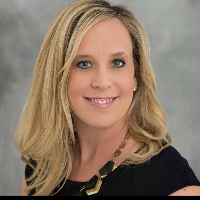
Jamie Blakeman
LCPC
Compassionate support for trauma and life transitions
- Trauma-informed care
- Practical skill building
- Collaborative focus
About Jamie
Jamie focuses on working with individuals facing co-occurring concerns, addiction, and relational or intimacy-related issues. She uses a straightforward style to identify what is most pressing and to set clear, achievable goals. Sessions are intended to increase self-awareness and build skills that are useful between appointments.
Her approach blends Trauma-Focused Therapy with client-centered work and evidence-based methods like cognitive behavioral therapy and dialectical behavior therapy. Jamie draws from these methods to tailor support to each person’s needs rather than applying a single technique to everyone.
She emphasizes the therapeutic relationship as the foundation for change. In the room she offers both challenge and support, helping people notice patterns, practice new skills, and make concrete shifts that matter in daily life.
Jamie practices in Illinois and provides care in English. She aims to help people rebuild routines, strengthen coping strategies, and increase resilience so they can move forward with more calm and confidence.
How therapeutic approaches shape online care
Trauma-Focused Therapy concentrates on helping people process and move through traumatic experiences. It often involves pacing, grounding, and developing coping skills so memories and triggers feel less overwhelming over time.Client-Centered Therapy emphasizes a supportive, nonjudgmental relationship. The therapist listens closely, reflects what is said, and helps people find their own solutions and strengths.
Cognitive Behavioral Therapy, or CBT, looks at the links between thoughts, feelings, and behavior. It teaches practical techniques to change unhelpful thinking patterns and to build healthier habits in daily life.
Finding the right approach is part of the work together. Jamie will collaborate with each person to choose methods that match their goals, needs, and comfort level. That process may shift as progress is made or new challenges appear.
Session formats were not specified in the biography, so confirm the available online options before booking. Online therapy can make it easier to fit appointments into a busy week, reduce travel time, and allow shorter check-ins when needed. It also lets people practice skills between sessions in the settings where they live and work, so lessons translate directly into daily routines.
These summaries are based on the profile information listed on BetterHelp. Listing trauma-focused therapy does not mean a therapist holds a specific certification such as TF-CBT, EMDR or CPT.
Areas of expertise
Primary focus
Also works with
Additional focus areas
Therapeutic approaches
Experience
16+ years
Credentials
Illinois
Languages
English
Licenses listed
- LCPC, Illinois180.009996
- NPI1114358199
As listed on the therapist's profile. You can check a license with the state licensing board and an NPI in the national registry.
Frequently asked questions
What concerns does Jamie address in therapy?
She works with stress, anxiety, trauma and abuse, bipolar disorder, depression, addictions, relationship and intimacy issues, grief, ADHD, and many related concerns.
What is her general therapy style?
Her style is client-centered and practical, mixing supportive listening with skill teaching and focused problem solving.
How much clinical experience does she have?
Jamie has 16 years of experience in the mental health field, supporting people with complex and co-occurring issues.
What credentials and region apply to her practice?
She is a Licensed Clinical Professional Counselor, abbreviated LCPC, practicing in Illinois.
In which languages can sessions be held?
Sessions are offered in English, and she accepts international clients as well.
What session formats are available?
The original biography does not specify session formats; please confirm current session options with the platform before booking.
How does pricing work for sessions?
Cost varies with location and therapist availability; sessions use a subscription that can be canceled at any time.
How do I begin working with her?
Select the Start Therapy button, complete a short matching questionnaire, and schedule according to therapist availability.
Therapists on BetterHelp do not prescribe medication; a doctor can talk with you about medical options. This directory is not a crisis service. If you are in immediate danger, call 911. If you are thinking about suicide, call or text 988.