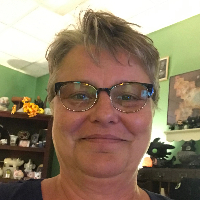
Jocelyn Elliott
LSCSW
Supportive trauma-informed social worker
- Trauma-focused care
- Affirming approach
- Skill-based work
About Jocelyn
Her background centers on trauma-informed care and long-term emotional support. She helps people manage anxiety, mood challenges like depression and bipolar disorder, and the aftermath of abuse or loss. Jocelyn also assists with relationship struggles, parenting stress, and questions around sexuality and gender identity.
In sessions she uses practical tools alongside reflective conversation. Jocelyn draws on Trauma-Focused Therapy to address past hurt, and combines elements from Cognitive Behavioral Therapy and Dialectical Behavior Therapy to teach coping skills. Mindfulness and Emotionally-Focused Therapy ideas are also part of her toolbox when they fit a person’s goals.
Clients can expect a steady, patient approach that balances skill building with understanding feelings. She pays attention to family of origin issues, codependency, and communication patterns that keep problems repeating. Jocelyn also supports people facing career stress, grief, body image concerns, and issues related to adoption or foster care.
Her work is collaborative: she and the client set goals and decide which strategies to try. People who value clear tools, honest conversation, and an affirming stance around gender and sexuality often find her approach helpful.
How therapeutic approaches translate to online work
Trauma-Focused Therapy focuses on understanding and working through past hurt in a paced way, helping people reduce the hold of traumatic memories and learn ways to cope. Cognitive Behavioral Therapy, or CBT, looks at thoughts and behaviors and teaches concrete skills to manage anxiety, low mood, and unhelpful patterns. Dialectical Behavior Therapy, or DBT, emphasizes emotion regulation and distress tolerance skills that can help when feelings feel overwhelming.Choosing an approach is collaborative. The therapist will talk with each person about goals, preferences, and what has worked or not worked before. Together they decide whether Trauma-Focused work, CBT tools, DBT skills, or a mix of these approaches best fits the situation.
The biography does not list specific online session formats, so confirm the current options before booking. Many people find online therapy helpful because it can fit into a busy day, avoid travel time, and allow shorter check-ins when schedules are tight. Online work also makes it easier to practice skills between sessions and bring real-life situations into conversation. Licensed professionals can guide the pacing so that approaches aimed at trauma, mood, or relationship issues work in ways that suit each person's needs and life rhythm.
These summaries are based on the profile information listed on BetterHelp. Listing trauma-focused therapy does not mean a therapist holds a specific certification such as TF-CBT, EMDR or CPT.
Areas of expertise
Primary focus
Also works with
Additional focus areas
Therapeutic approaches
Experience
18+ years
Credentials
Kansas
Languages
English
Licenses listed
- LSCSW, KansasLSCSW 4312
- NPI1972791127
As listed on the therapist's profile. You can check a license with the state licensing board and an NPI in the national registry.
Frequently asked questions
What kinds of concerns does Jocelyn address?
She helps with trauma and abuse, anxiety, depression, bipolar mood challenges, addictions, and stress-related problems. Jocelyn also works on relationship issues, parenting strain, grief, and self-esteem.
How would you describe her therapy style?
Her style is calm and practical with room for emotional processing. Sessions blend skill teaching with reflective conversation to build coping and insight.
What is her professional background?
Jocelyn has 18 years of experience as a social worker supporting people through complex life challenges and trauma-related concerns.
What credentials and region does she practice in?
She is a Licensed Specialist Clinical Social Worker, KS LSCSW, practicing in Kansas.
Which languages are sessions offered in?
Sessions are offered in English.
What session formats are available?
The original biography does not list specific session formats; please confirm current session options before booking.
How does billing and cost work?
Cost varies with location and therapist availability; sessions use a subscription that can be canceled at any time.
How do I start working with her?
Use the Start Therapy button, complete a short matching questionnaire, and schedule according to the therapist's availability.
Therapists on BetterHelp do not prescribe medication; a doctor can talk with you about medical options. This directory is not a crisis service. If you are in immediate danger, call 911. If you are thinking about suicide, call or text 988.