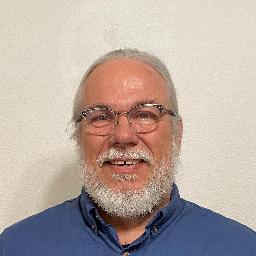
Kirt Baab
LMSW
Practical therapy focused on reducing emotional suffering
- Person-centered approach
- Skills-oriented work
- Trauma-focused care
About Kirt
He brings practical skills training into sessions so people can try new ways of coping between meetings. That can mean learning techniques to ease anxiety, building better communication, or practicing ways to interrupt unhelpful routines. Sessions are aimed at increasing resilience and making day-to-day life feel more manageable.
Kirt has worked alongside clinicians from Native American, Hispanic, African American, Caucasian, and Asian backgrounds and has provided care for people of different sexual orientations and physical abilities. He emphasizes respect for each person's life stage and cultural context when planning treatment.
His work targets a wide range of concerns including stress, trauma and abuse, grief, depression, addictions, relationship and intimacy-related issues, parenting and family problems, eating concerns, ADHD, bipolar issues, and compassion fatigue. He also addresses aging and caregiver stress, chronic pain and illness, codependency, and life-purpose questions.
Kirt describes his role as partnering with people to reduce the intensity of depression and anxiety, lengthen the time between panic or severe worry, and improve communication with significant others. He focuses on practical change and increasing a person's capacity to live with more ease.
How trauma-informed and attachment-focused approaches translate online
Trauma-Focused Therapy helps people work through painful memories and reactions by using focused techniques to reduce distress and teach coping strategies. It is often used for trauma, abuse, and intense anxiety. Attachment-Based Therapy looks at how early relationships affect current patterns and focuses on improving trust, safety, and emotional connection in relationships. Client-Centered Therapy emphasizes listening and responding to each person's experience so they feel understood and can guide the pace of change.Finding the right approach is a collaborative process. The therapist will talk with the client about their goals, symptoms, and what feels most useful. Together they can try methods and adjust the plan based on what helps most in everyday life.
Confirm the current session options before booking so you know which online formats are offered. Many people find online work makes it easier to fit therapy into a busy schedule, for example by saving travel time or allowing shorter check-ins during a work break. Online sessions can also allow focusing on skills practice and tracking changes between meetings. Ask about session length and scheduling to pick an arrangement that fits daily routines.
These summaries are based on the profile information listed on BetterHelp. Listing trauma-focused therapy does not mean a therapist holds a specific certification such as TF-CBT, EMDR or CPT.
Areas of expertise
Also works with
Additional focus areas
Therapeutic approaches
Experience
37+ years
Credentials
Michigan
Languages
English
Licenses listed
- LMSW, Michigan6801089941
- NPI1033515317
As listed on the therapist's profile. You can check a license with the state licensing board and an NPI in the national registry.
Frequently asked questions
What kinds of problems does this therapist address?
Kirt works with a broad range of concerns such as stress, anxiety, trauma and abuse, grief, depression, addictions, relationship and intimacy-related issues, parenting and family problems, eating concerns, bipolar disorder, and ADHD.
What is the general approach or style in sessions?
He focuses on the person rather than on theory alone, using practical skills training and multiple therapeutic approaches to help people change painful habits and reduce emotional suffering.
How much clinical experience does he have?
Kirt has 37 years of experience working in settings such as addiction treatment programs, hospital outpatient clinics, schools, and social service agencies.
What credentials and location are associated with this therapist?
He holds an LMSW, which stands for licensed master social worker, and practices in Michigan.
Are sessions available in languages other than English?
Sessions are offered in English.
Can people from other countries work with this therapist?
He does not accept international clients at this time.
How are costs and billing handled?
Session costs vary with location and therapist availability, and services use a subscription that can be canceled at any time.
How do I get started with therapy here?
Select the Start Therapy button, complete a short matching questionnaire, and schedule sessions according to the therapist's availability.
Therapists on BetterHelp do not prescribe medication; a doctor can talk with you about medical options. This directory is not a crisis service. If you are in immediate danger, call 911. If you are thinking about suicide, call or text 988.