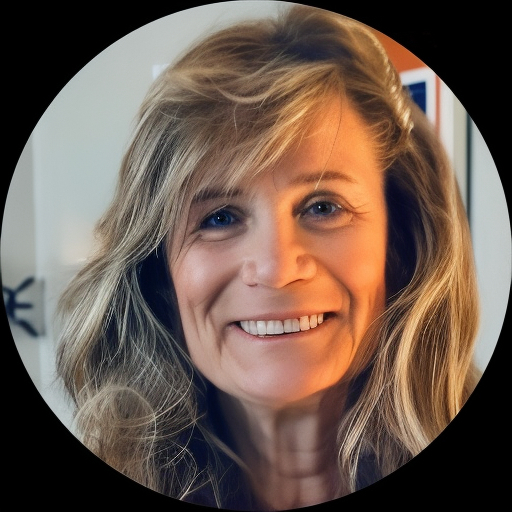
Marcia Klucznik
LPC
Calm, practical help for life’s hardest moments
- Trauma-informed focus
- Goal-oriented sessions
- Mindfulness and CBT
About Marcia
Marcia uses a mix of approaches guided by what each person needs. She draws on Trauma-Focused Therapy, client-centered techniques, and cognitive behavioral tools to help people name patterns and try small changes that make daily life easier. Mindfulness and motivational interviewing are added when helpful to strengthen focus and motivation.
Sessions are conversational and goal-oriented. Marcia emphasizes building self-compassion, improving communication, and working toward clear, manageable steps. She encourages people to bring what matters most to therapy and to set priorities that fit their life.
Her work includes supporting people coping with aging issues, cancer, caregiver stress, chronic pain and illness, and the emotional strain of major transitions. She also addresses substance use, codependency, first responder concerns, and end-of-life topics.
Marcia has nine years of clinical experience and holds the Licensed Professional Counselor credential. She conducts sessions in English and practices in Michigan. To start, people choose the Start Therapy button, complete a short matching questionnaire, and schedule according to availability.
How therapeutic approaches shape online care
Trauma-Focused Therapy helps people process painful experiences in a paced way so daily life feels less overwhelming. It focuses on reducing the hold of past events and building skills to manage triggers and distress.Client-Centered Therapy centers the person’s own goals and priorities. The therapist listens without judgment, helps clarify what matters most, and supports decisions about change.
Cognitive Behavioral Therapy, or CBT, looks at unhelpful thoughts and behaviors and tests new ways of acting and thinking. It is often used for anxiety, depression, sleep problems, and many practical challenges.
Finding the right approach is part of the work. The therapist will collaborate with each person to pick methods that match their goals, strengths, and comfort level. That may mean using one approach at first and adding others later as needs change.
Confirm current session options before booking, since formats are not specified here. Online therapy can make it easier to fit appointments into busy weeks, reduce travel, and allow for shorter check-ins when needed. It can also make it simpler to continue care during health or mobility challenges. Ask about session length and scheduling when you complete the intake questionnaire so appointments match your daily routine.
These summaries are based on the profile information listed on BetterHelp. Listing trauma-focused therapy does not mean a therapist holds a specific certification such as TF-CBT, EMDR or CPT.
Areas of expertise
Also works with
Additional focus areas
Therapeutic approaches
Experience
9+ years
Credentials
Michigan
Languages
English
Licenses listed
- LPC, Michigan6401004071
- NPI1578027991
As listed on the therapist's profile. You can check a license with the state licensing board and an NPI in the national registry.
Frequently asked questions
What kinds of concerns does Marcia address?
She works with stress, anxiety, grief, depression, trauma and abuse, addictions, relationship and family concerns, sleep and eating issues, parenting stress, bipolar and ADHD, and related problems such as caregiver strain and chronic illness.
How would you describe her therapy style?
Her style is warm and practical. Sessions focus on understanding what’s happening now, building coping skills, and setting small, realistic goals.
What is her clinical background?
She has nine years of experience working in behavioral health settings and community care. That experience informs a straightforward, skills-based approach.
What credentials and location are listed for this therapist?
She holds the LPC credential, listed as Licensed Professional Counselor, and practices in Michigan.
Which languages are available for sessions?
Sessions are offered in English.
Can international clients schedule with this therapist?
International clients are not currently accepted.
How is cost handled for sessions?
Cost varies with location and therapist availability; sessions use a subscription that can be canceled at any time.
What is the process to begin working together?
Use the Start Therapy button, complete a short matching questionnaire, and then schedule sessions according to the therapist's availability.
Therapists on BetterHelp do not prescribe medication; a doctor can talk with you about medical options. This directory is not a crisis service. If you are in immediate danger, call 911. If you are thinking about suicide, call or text 988.