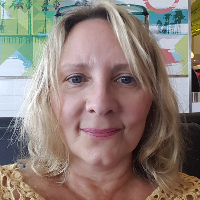
Margaret Kaelin
LCSW
Trauma-informed LCSW focused on practical help
- Client-centered care
- Goal-focused steps
- Trauma-aware methods
About Margaret
She uses practical methods to help with anxiety, depression, grief, addiction, and trauma and abuse. Sessions emphasize clear goals and steps people can try between meetings. She also pays attention to relationship and intimacy concerns, parenting strain, and caregiver stress.
Margaret draws on several approaches to match what each person needs. She uses Trauma-Focused Therapy when trauma is central to a person’s experience. She also uses Acceptance and Commitment Therapy (ACT) and Cognitive Behavioral Therapy (CBT) to address thinking patterns, values, and coping skills.
The work tends to be collaborative and straightforward. Margaret listens first, then helps a person set short-term goals. She uses exercises, reflections, and behavior-focused tasks to build new ways of handling hard moments.
People who reach out should expect clear communication about scheduling and cost. Sessions operate through a subscription model that can be canceled at any time. To begin, a short matching questionnaire is completed and a session is scheduled based on therapist availability.
How these approaches translate to online care
Trauma-Focused Therapy focuses on processing painful memories and reducing the ways past events disrupt daily life. In practice this means talking through difficult moments at a pace the person can handle and using techniques to lessen intense reactions.Acceptance and Commitment Therapy (ACT) helps people clarify what matters to them and take small actions toward those values. It uses mindfulness and practical exercises to lower struggle with unwanted thoughts and feelings.
Attachment-Based Therapy looks at how early relationships shape current patterns. It helps people recognize repeated interaction cycles and try different ways of relating to reduce isolation and mistrust.
Choosing the right approach is part of the work. The therapist will collaborate with each person to pick methods that fit their goals, needs, and comfort level. Sessions may blend elements of different approaches as progress unfolds.
Please confirm current session options before booking since session formats are not specified here. Online therapy can make it easier to fit appointments into busy days, allow shorter check-ins when needed, and remove travel time. Many people find that remote sessions let them practice real-life skills between meetings and integrate changes into daily routines more smoothly.
These summaries are based on the profile information listed on BetterHelp. Listing trauma-focused therapy does not mean a therapist holds a specific certification such as TF-CBT, EMDR or CPT.
Areas of expertise
Primary focus
Also works with
Additional focus areas
Therapeutic approaches
Experience
3+ years
Credentials
Kentucky, Indiana, Wyoming, Texas
Languages
English
Licenses listed
- LCSW, Kentucky3367
- LCSW, Indiana34006406a
- LCSW, Wyoming769
- LCSW, Texas64695
- NPI1255654273
As listed on the therapist's profile. You can check a license with the state licensing board and an NPI in the national registry.
Frequently asked questions
What concerns does Margaret commonly address?
She helps people with stress, anxiety, depression, grief, addictions, trauma and abuse, relationship and intimacy issues, parenting strain, and caregiver stress among other concerns.
How would you describe her therapeutic style?
Her approach is client-centered and goal-oriented, focusing on clear steps and practical exercises to try between sessions.
What kind of background does she bring to sessions?
Margaret is a Licensed Clinical Social Worker with three years of documented experience on this platform and prior clinical work with trauma and related concerns.
Where is the therapist based and what are her credentials?
She is located in Texas and holds the LCSW credential.
Which languages are supported for sessions?
Sessions are offered in English.
Are international clients supported?
International clients are not currently accepted.
How are costs handled for sessions?
Session costs vary with location and therapist availability and are handled through a subscription that can be canceled at any time.
How do I begin working with Margaret?
Start by selecting the Start Therapy button, complete a short matching questionnaire, and schedule a session according to the therapist's availability.
Therapists on BetterHelp do not prescribe medication; a doctor can talk with you about medical options. This directory is not a crisis service. If you are in immediate danger, call 911. If you are thinking about suicide, call or text 988.