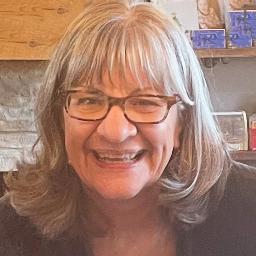
Marnie Morgan
LPC
Experienced trauma-informed counselor
- 25 years experience
- Client-centered care
- Family systems focus
About Marnie
She holds two master’s degrees, one in Professional Counseling and one in Marriage and Family Therapy. Her background includes supervising counselors pursuing licensure and teaching counseling at the graduate level. That experience informs how she structures sessions and supports people through change.
Marnie’s approach is client-centered and influenced by family systems ideas. She looks at problems in the context of a person’s relationships and daily life. Treatment plans are tailored to each person’s specific needs rather than following a one-size-fits-all script.
She uses a mix of practical methods, including Trauma-Focused Therapy, Cognitive Behavioral Therapy (CBT), attachment-based techniques, and elements of the Gottman Method when relationship work is helpful. Sessions tend to be warm and interactive, with an emphasis on building skills and understanding patterns.
Marnie encourages steady, realistic steps toward change. She supports people through practical coping strategies and focused conversation. If someone is ready to begin, she guides them in setting goals and tracking small, meaningful progress.
How therapeutic approaches guide online work
Trauma-Focused Therapy focuses on helping people understand and reduce the lasting effects of traumatic events. It often combines safety-building, coping skills, and gradual processing of distressing memories to help daily functioning and relationships.Attachment-Based Therapy looks at how early and current relationships shape feelings and behavior. It helps people notice patterns in connection, improve communication, and build more secure ways of relating to others.
Client-Centered Therapy centers on the person’s own goals and perspectives. The therapist listens closely, reflects what is said, and supports self-directed growth and decision-making.
Finding the right approach is part of the process. The therapist will work collaboratively to identify which methods fit a person’s goals, needs, and preferences. That choice can shift as progress is made or new issues appear.
Practical benefits of doing therapy online can include fitting sessions into a busy life and reducing travel time. Online work can make it easier to check in during a lunch break, choose a shorter appointment when needed, or avoid relying on heavy bandwidth. Because session formats were not specified in the biography, confirm current online options before booking. Many people find that having flexible session arrangements helps maintain steady progress with therapy.
These summaries are based on the profile information listed on BetterHelp. Listing trauma-focused therapy does not mean a therapist holds a specific certification such as TF-CBT, EMDR or CPT.
Areas of expertise
Primary focus
Also works with
Additional focus areas
Therapeutic approaches
Experience
25+ years
Credentials
Missouri
Languages
English
Licenses listed
- LPC, Missouri2001007258
- NPI1891957767
As listed on the therapist's profile. You can check a license with the state licensing board and an NPI in the national registry.
Frequently asked questions
What concerns does she address?
Marnie works with stress, anxiety, relationship problems, trauma and abuse, grief, addictions, parenting strain, sleep issues, anger, self-esteem, career concerns, depression, compassion fatigue, ADHD and related challenges.
What is her therapeutic style like?
She uses a warm, interactive, client-centered style that focuses on practical steps. Sessions are tailored to the person and emphasize understanding patterns in relationships and daily life.
How much experience does she have?
She has 25 years of clinical experience, including supervising counselors and teaching at the graduate level.
What credentials and location are listed?
She is a Licensed Professional Counselor (LPC) practicing in Missouri. The credential appears as MO LPC in her background.
Which languages are supported and can international clients work with her?
Sessions are offered in English. International clients are not currently accepted.
What session formats are offered?
Session formats were not specified in the biography. Please confirm current session options before booking.
How are fees handled?
Cost varies with location and therapist availability. Sessions use a subscription that can be canceled at any time.
How do I get started?
Select the Start Therapy button, complete a short matching questionnaire, and then schedule according to the therapist's availability.
Therapists on BetterHelp do not prescribe medication; a doctor can talk with you about medical options. This directory is not a crisis service. If you are in immediate danger, call 911. If you are thinking about suicide, call or text 988.