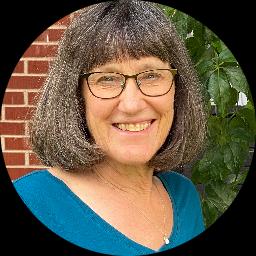
Mary Blair
LPC
Compassionate counselor blending body and mind approaches
- Trauma-informed care
- Whole-person focus
- Collaborative style
About Mary
Her approach blends several ways of working rather than relying on one method. She uses Trauma-Focused Therapy alongside client-centered listening. Psychodynamic ideas and somatic practices are woven into sessions when they fit the person's needs.
Mary emphasizes a whole-person view that includes mind, body, and spirit as each client defines those words. She encourages clients to take the lead in sessions while offering structure and guidance. Her style tends to be collaborative and paced to match what each person brings.
In practice this means talking through present problems, noticing how the body responds, and exploring patterns that affect relationships and self-worth. Sessions often include gentle attention to emotions, breathing or body-based awareness, and reflection on past and current experience.
Mary aims to help people build clearer coping tools and stronger sense of self. She invites clients into a careful process of discovery and change, and acknowledges the courage it takes to begin that work.
How trauma-focused and relational methods work online
Mary uses Trauma-Focused Therapy to help people safely process difficult memories and reactions, with attention to what feels manageable in the moment. Client-Centered Therapy means sessions follow the person's pace and priorities, with the therapist offering support and reflection rather than directing every step. Mindfulness Therapy brings simple attention practices into sessions to help reduce anxiety and improve focus.Finding the right mix of approaches is part of the work together. The therapist will collaborate with each person to choose methods that match their needs, goals, and comfort level. That team effort allows adjustments over time as progress and preferences emerge.
If you are considering online work, check the current session options before booking. Online sessions can make it easier to fit therapy into a busy life, allow shorter check-ins when needed, and reduce travel time. They can also make it simpler to schedule around work, medical appointments, or caregiving duties. Confirm the exact formats offered and scheduling details when you sign up so sessions match your routine and technology needs.
These summaries are based on the profile information listed on BetterHelp. Listing trauma-focused therapy does not mean a therapist holds a specific certification such as TF-CBT, EMDR or CPT.
Areas of expertise
Primary focus
Also works with
Additional focus areas
Therapeutic approaches
Experience
18+ years
Credentials
South Dakota
Languages
English
Licenses listed
- LPC, South DakotaLPC20544
- NPI1164811022
As listed on the therapist's profile. You can check a license with the state licensing board and an NPI in the national registry.
Frequently asked questions
What kinds of concerns does she address?
She works with relationship challenges, grief and loss, self-esteem issues, coping with life changes, stress, anxiety, trauma and abuse, intimacy-related issues, eating concerns, parenting, career questions, depression, and compassion fatigue.
How would you describe her therapy style?
Her style is collaborative and client-centered. She combines listening with practical steps, somatic awareness, and exploration of patterns that affect daily life.
What is her professional background?
She has 18 years of experience as a psychotherapist, consultant, and hospice and hospital chaplain, working with a broad range of emotional and life concerns.
What credentials and location apply?
She holds the LPC credential - Licensed Professional Counselor - and practices in South Dakota.
Which languages are supported for sessions?
Sessions are offered in English.
Can people outside the US work with her?
She does not accept international clients at this time.
How are fees handled?
Cost varies with location and therapist availability; sessions use a subscription that can be canceled at any time.
How do I begin working with her?
Use the Start Therapy button, complete a short matching questionnaire, and then schedule according to the therapist's availability.
Therapists on BetterHelp do not prescribe medication; a doctor can talk with you about medical options. This directory is not a crisis service. If you are in immediate danger, call 911. If you are thinking about suicide, call or text 988.