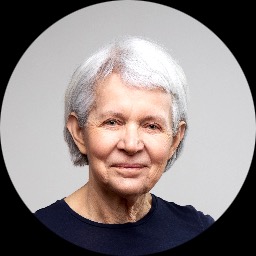
Mary Blankenburg
LISW
Compassionate trauma-aware therapist
- Body-aware approach
- Practical skills
- Long-term experience
About Mary
Mary spent many years in community mental health and agency settings before moving into private practice. That range gave her experience with different kinds of problems and ways people cope. She pays close attention to trauma and its effects, and she helps people notice bodily responses that show up in tense moments.
Her sessions combine talk-based work with practical skills. She uses approaches such as trauma-focused work, Acceptance and Commitment Therapy, attachment-based ideas, client-centered methods, and cognitive behavioral techniques. These tools are used to help people manage anxiety, depression, grief, relationship strain, and other concerns.
Mary emphasizes small, steady steps and self-compassion. She helps clients recognize patterns that keep them stuck and practices ways to respond differently. The aim is to shift how past hurts show up now, reduce overwhelm, and make daily life feel more manageable.
People who prefer a thoughtful, body-aware approach may find her way of working helpful. She invites clients to explore their history while learning practical skills to cope with current challenges.
Therapeutic approaches for online work and healing
Mary uses trauma-focused work to address how past hurts continue to affect daily life; this approach helps people notice triggers and learn ways to change their responses. Acceptance and Commitment Therapy, or ACT, focuses on clarifying values and taking actions that matter even when difficult feelings remain, which can help with anxiety, depression, and life changes.Attachment-based ideas guide how Mary looks at relationship patterns and early bonds that shape current reactions. These approaches help when people struggle with abandonment, attachment issues, or recurring relationship problems. She combines these methods with client-centered listening to make sure therapy follows each person's pace and needs.
Finding the right approach is part of the work. Mary collaborates with clients to see what fits their goals, symptoms, and daily life. She adjusts methods over time so therapy stays useful and manageable.
If you are considering online sessions, confirm the exact session formats before booking since the biography does not list them. Online therapy can make it easier to fit sessions into a busy schedule, reduce travel time, and allow shorter check-ins when needed. It can also let people work from a quieter room or avoid being on camera if that helps them focus. Licensed professionals can adapt trauma-focused, ACT, and attachment-based techniques to remote work, tailoring exercises and pacing to what each person finds helpful.
These summaries are based on the profile information listed on BetterHelp. Listing trauma-focused therapy does not mean a therapist holds a specific certification such as TF-CBT, EMDR or CPT.
Areas of expertise
Also works with
Additional focus areas
Therapeutic approaches
Experience
35+ years
Credentials
Iowa
Languages
English
Licenses listed
- LISW, Iowa01283
- NPI1104840347
As listed on the therapist's profile. You can check a license with the state licensing board and an NPI in the national registry.
Frequently asked questions
What kinds of concerns does Mary address?
She works with stress, anxiety, trauma and abuse, grief, low self-esteem, depression, addictions, relationship and intimacy issues, sleep problems, anger, career stress, bipolar concerns, ADHD, and related challenges.
How would you describe her therapeutic style?
Her style is grounded and person-focused, combining talk work with attention to bodily responses and practical coping skills.
How much clinical experience does she have?
She brings 35 years of professional experience to therapy, including community mental health and private practice work.
What credential and location are listed for this therapist?
She is a licensed independent social worker, listed as LISW, and practices in Iowa.
Which languages are used in sessions and are international clients supported?
Sessions are offered in English and she does not accept international clients at this time.
What session formats are available?
The original biography does not specify session formats; confirm current options before booking to know whether online, phone, or in-person sessions are offered.
How are fees handled and what is the cost structure?
Cost varies with location and therapist availability; sessions use a subscription model that can be canceled at any time.
What steps should I follow to begin working together?
Use the Start Therapy button, complete a short matching questionnaire, and then schedule according to the therapist's availability.
Therapists on BetterHelp do not prescribe medication; a doctor can talk with you about medical options. This directory is not a crisis service. If you are in immediate danger, call 911. If you are thinking about suicide, call or text 988.