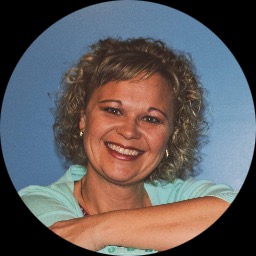
Mary Calvin
LPC, LCMHC
Supportive counselor for trauma and stress
- Trauma-informed care
- Practical coping skills
- Values-based work
About Mary
How different approaches are used in online therapy
Mary often uses Trauma-Focused Therapy to help people process difficult past events in a contained way, focusing on understanding how those experiences affect feelings and behavior now. Cognitive Behavioral Therapy (CBT) is used to identify unhelpful thoughts and try small behavioral changes that reduce anxiety or improve mood. Acceptance and Commitment Therapy (ACT) and mindfulness techniques help people notice difficult feelings, accept them without overreacting, and choose actions that match their values. Finding the right approach is part of the work. The therapist will collaborate with each person to decide which methods fit best for their needs and goals. That choice can shift over time as progress is made or priorities change. The practical benefits of online therapy are worth checking when arranging sessions. Online work can make it easier to fit appointments into a busy week and avoid travel time, and some people find short check-ins or audio-first options helpful when they need a quicker touchpoint. Because the original biography did not list specific session formats, confirm current session options before booking so you know what will be offered. Licensed professionals aim to match the approach and scheduling to what will work best in a person’s everyday life.These summaries are based on the profile information listed on BetterHelp. Listing trauma-focused therapy does not mean a therapist holds a specific certification such as TF-CBT, EMDR or CPT.
Areas of expertise
Primary focus
Additional focus areas
Therapeutic approaches
Experience
9+ years
Credentials
Missouri, Alabama, Utah
Languages
English
Licenses listed
- LPC, Missouri2017044750
- LPC, AlabamaLPC05587
- LCMHC, Utah14212274-6004
- NPI1790293439
As listed on the therapist's profile. You can check a license with the state licensing board and an NPI in the national registry.
Frequently asked questions
What concerns does Mary commonly address?
She helps people with stress, anxiety, addictions, relationship issues, trauma and abuse, and anger. Other focus areas include communication problems, codependency, and guilt or shame.
How would you describe her therapeutic style?
Her style is collaborative and down-to-earth. Sessions mix listening with practical exercises and steps to try between meetings.
What is her professional background?
Mary has nine years of professional experience working in counseling roles. Her work has included supporting people with trauma, addiction concerns, and relationship problems.
Which credentials and location are listed?
She holds LPC and LCMHC credentials and is licensed in Missouri. These are the credentials shown for her practice.
Are sessions available in other languages?
Sessions are offered in English. International clients are accepted.
What session formats are offered?
The original biography does not specify session formats. Confirm current session options before booking to know whether in-person or online meetings are available.
How is cost handled?
Cost varies with location and therapist availability, and sessions use a subscription that can be canceled at any time. Exact pricing depends on the chosen arrangement.
How do I begin working together?
Start by selecting the Start Therapy button and completing a short matching questionnaire. After that you can schedule sessions according to the therapist's listed availability.
Therapists on BetterHelp do not prescribe medication; a doctor can talk with you about medical options. This directory is not a crisis service. If you are in immediate danger, call 911. If you are thinking about suicide, call or text 988.