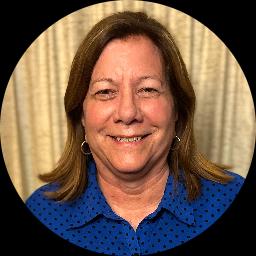
Mary Hargarten
LCSW, LMFT
Compassionate trauma-informed therapist
- Trauma-Focused Therapy
- ACT and CBT
- 25 years experience
About Mary
Mary emphasizes Trauma-Focused Therapy alongside cognitive and mindfulness-based tools to address painful memories and current symptoms. She uses Acceptance and Commitment Therapy (ACT) and Cognitive Behavioral Therapy (CBT) to help people notice unhelpful thoughts, make values-based choices, and practice skills that reduce distress. She also draws on client-centered and solution-focused ideas to set short-term goals and center the person’s priorities.
Her background includes work with issues such as panic attacks, postpartum depression, domestic violence, family of origin problems, and caregiving stress. Mary pays attention to how family history shapes beliefs, and she helps people sort which patterns are useful and which to change. She supports people dealing with identity and intimacy concerns, including LGBT issues and parenting struggles.
Sessions aim to strengthen existing coping abilities while introducing new strategies for communication, emotion regulation, and problem solving. Mary describes therapy as a team effort: the client brings life expertise and she offers clinical tools to reach practical goals. She brings patience, a sense of humor, and a focus on whole-person balance in emotional, social, and practical areas.
To begin, prospective clients complete a short matching questionnaire and schedule sessions according to Mary’s availability. Her work is rooted in helping people find steady footing during difficult times.
How Trauma-Focused and Mindful Therapies Work Online
Trauma-Focused Therapy helps people address painful memories and the ways those memories affect daily life. It often involves careful pacing, stabilization skills, and grounding strategies to reduce distress and improve functioning. Acceptance and Commitment Therapy, or ACT, teaches people to notice unhelpful thoughts and focus on taking actions that match their values, which can be useful for anxiety, depression, and life transitions.Mindfulness-based work teaches simple attention and breathing practices to calm the body and steady attention. These practices support emotion regulation and help people respond rather than react in stressful moments. Choosing the right approach is part of the process; the therapist will work collaboratively to try different strategies and settle on what fits the client’s needs, goals, and preferences.
Confirm current session options before booking, since formats are not specified here. Online therapy can make it easier to fit sessions into a busy week, reduce travel time, and allow work or family breaks to be used for appointments. Some sessions may be shorter check-ins when schedules are tight, while others focus on skill practice and processing. Talk with the therapist about the session rhythm that best matches daily life and what will help progress toward practical goals.
These summaries are based on the profile information listed on BetterHelp. Listing trauma-focused therapy does not mean a therapist holds a specific certification such as TF-CBT, EMDR or CPT.
Areas of expertise
Primary focus
Also works with
Additional focus areas
Therapeutic approaches
Experience
25+ years
Credentials
Wisconsin, Wisconsin
Languages
English
Licenses listed
- LCSW, Wisconsin7107-123
- LMFT, Wisconsin676-124
- NPI1629174040
As listed on the therapist's profile. You can check a license with the state licensing board and an NPI in the national registry.
Frequently asked questions
What kinds of concerns does she help with?
She works with stress, anxiety, depression, trauma and abuse, grief, relationship and intimacy issues, parenting concerns, bipolar mood issues, and many life transitions including caregiving and aging topics.
What is her therapeutic style?
Her style is warm, caring, and nonjudgmental. She combines practical skill building with support and a collaborative problem-solving approach.
How much clinical experience does she have?
She has 25 years of experience providing therapy in person and online, working with individuals, couples, and families on a wide range of concerns.
What credentials and region are listed?
She holds LCSW and LMFT credentials and practices in Wisconsin; the credentials are shown as WI LCSW and WI LMFT.
Which languages are offered for sessions?
Sessions are offered in English.
Are international clients accepted?
International clients are not currently accepted.
How does payment work?
Cost varies with location and therapist availability; sessions use a subscription that can be canceled at any time.
How do I get started with therapy?
Select the Start Therapy button, complete a short matching questionnaire, and schedule sessions according to the therapist's availability.
Therapists on BetterHelp do not prescribe medication; a doctor can talk with you about medical options. This directory is not a crisis service. If you are in immediate danger, call 911. If you are thinking about suicide, call or text 988.