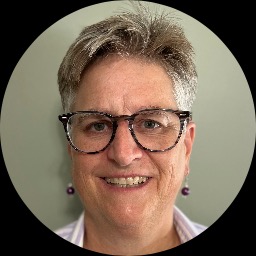
Mary (Peggy) Keating
LISW
Experienced therapist focused on trauma and life challenges
- Trauma-informed care
- Direct and supportive
- Practical strategies
About Mary
How therapeutic approaches work in online care
Trauma-Focused Therapy helps people name and process the effects of past trauma so symptoms like anxiety, flashbacks, or avoidance become easier to manage. It focuses on what happened and how it still affects daily life. Cognitive Behavioral Therapy, or CBT, looks at patterns of thought and behavior that keep problems going. It teaches concrete skills for changing unhelpful thinking and building new habits for mood and anxiety concerns. Eye Movement Desensitization and Reprocessing, EMDR, uses guided attention and memory work to reduce the intensity of traumatic memories. It is often used when trauma memories cause ongoing distress. Finding the right approach is part of the work together. The therapist will discuss goals, preferences, and what feels most useful. That collaborative decision helps tailor sessions to each person's needs. Online therapy can make it easier to fit sessions into a busy life. It can reduce travel time, allow shorter check-ins when needed, and make scheduling around work or caregiving simpler. Because session formats were not listed in the biography, confirm the available online options before booking so you know what to expect.These summaries are based on the profile information listed on BetterHelp. Listing trauma-focused therapy does not mean a therapist holds a specific certification such as TF-CBT, EMDR or CPT.
Areas of expertise
Primary focus
Also works with
Additional focus areas
Therapeutic approaches
Experience
40+ years
Credentials
Ohio
Languages
English
Licenses listed
- LISW, OhioI.0600020-SUPV
- NPI1912111576
As listed on the therapist's profile. You can check a license with the state licensing board and an NPI in the national registry.
Frequently asked questions
What kinds of concerns does this therapist address?
Areas include stress, anxiety, depression, trauma and abuse, addictions, grief, intimacy and relationship issues, parenting challenges, sleep and eating problems, career concerns, and caregiving strain.
How would you describe the therapeutic approach and style?
The approach mixes Trauma-Focused Therapy, CBT, EMDR, mindfulness, and motivational interviewing. The style is gentle and supportive but also direct when someone needs a push to change.
What is this therapist's background and experience?
The clinician has forty years of experience working with a wide range of life and mental health concerns. That long career informs a practical, down-to-earth way of working.
What credentials and location are listed?
The therapist holds an LISW credential and practices in Ohio.
Which languages are supported and can international clients join?
Sessions are offered in English, and international clients are not currently accepted.
What session formats are available?
Session formats are not specified in the biography. Confirm current session options before booking to ensure they meet your needs.
How does cost work for sessions?
Cost varies with location and therapist availability; sessions use a subscription that can be canceled at any time.
How do I get started if I want to work together?
Use the Start Therapy button, complete the short matching questionnaire, and schedule according to therapist availability.
Therapists on BetterHelp do not prescribe medication; a doctor can talk with you about medical options. This directory is not a crisis service. If you are in immediate danger, call 911. If you are thinking about suicide, call or text 988.