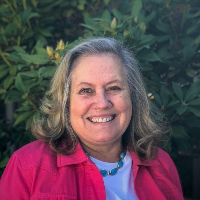
Dr. Mary Moran
LCSW
Experienced LCSW mixing practical therapy and trauma focus
- 20 years experience
- Trauma-focused care
- Collaborative approach
About Mary
Her approach is collaborative. She works with each person to set clear, achievable goals and then tracks progress together. Sessions look at thoughts, feelings, and behaviors while also considering how a person’s surroundings affect day-to-day life.
Dr. Moran draws on several evidence-informed methods in her work. She uses client-centered listening, cognitive-behavioral techniques to address unhelpful thinking and behavior patterns, and trauma-focused ideas when past events are affecting present life. She also brings mindfulness practices and relationship-focused work into sessions when helpful.
Clients can expect direct conversation about problems and practical strategies for coping. Dr. Moran combines talk-based work with skill-building exercises and reflective questions to help people manage stress, mood, addiction concerns, grief, relationship strain, changes in life roles, and other challenges.
Her background supervising clinicians means she is comfortable explaining therapy steps and offering structure when needed. People who prefer a calm, practical, and collaborative pace often find this style helpful.
How therapeutic approaches translate to online work
Dr. Moran commonly draws on Trauma-Focused Therapy, Client-Centered Therapy, and Cognitive Behavioral Therapy in her work. Trauma-Focused Therapy looks at how past stressful events affect current thoughts and behavior and helps people learn ways to reduce their impact. Client-Centered Therapy prioritizes listening and building rapport first, so a person’s own goals shape the sessions. Cognitive Behavioral Therapy focuses on identifying unhelpful thoughts and testing small behavior changes to improve mood and daily functioning.Finding the right approach is part of the work together. The therapist will discuss goals, preferences, and what feels most useful, and then adapt methods over time. That collaborative process helps tailor sessions to specific concerns like trauma reactions, anxiety, addiction-related challenges, grief, or relationship strain.
To confirm session logistics, please check which online options are offered before booking. Online therapy can make it easier to fit sessions into a busy life, reduce travel time, allow shorter check-in meetings when needed, and let people choose a setting that helps them focus. Licensed professionals can adjust the mix of listening, skills practice, and homework tasks to suit an online format and the client’s goals.
These summaries are based on the profile information listed on BetterHelp. Listing trauma-focused therapy does not mean a therapist holds a specific certification such as TF-CBT, EMDR or CPT.
Areas of expertise
Primary focus
Also works with
Additional focus areas
Therapeutic approaches
Experience
20+ years
Credentials
Washington, Illinois, Missouri, Oregon
Languages
English
Licenses listed
- LICSW, Washington00009433
- LCSW, Illinois149027077
- LCSW, Missouri2024016285
- LCSW, OregonL15223
- NPI1427673045
As listed on the therapist's profile. You can check a license with the state licensing board and an NPI in the national registry.
Frequently asked questions
What kinds of concerns does this therapist help with?
She helps people dealing with stress, anxiety, addiction, trauma and abuse, depression, relationship and family issues, grief, anger, low self-esteem, career transitions, ADHD, and related concerns.
What is her general therapy style?
Her style is collaborative and practical. She listens in a client-centered way, uses CBT skills when helpful, and mixes in mindfulness and relationship work to address real-life problems.
How much clinical experience does she have?
She has 20 years of experience working in mental health and substance use treatment and more than 12 years supervising social workers and counselors.
Which credentials and location apply to this clinician?
She is a licensed clinical social worker (LCSW) practicing in Washington and holds IL LCSW and MO LCSW credentials as documented.
Are sessions offered in other languages or internationally?
Sessions are offered in English. International clients are not currently accepted.
What session formats are available?
Please confirm current session options before booking, as the therapist's biography does not specify which session formats are offered.
How is pricing handled for sessions?
Cost varies with location and therapist availability; sessions use a subscription model that can be canceled at any time.
How do I get started with therapy here?
Begin by selecting the Start Therapy button, complete a short matching questionnaire, and schedule sessions according to the therapist's availability.
Therapists on BetterHelp do not prescribe medication; a doctor can talk with you about medical options. This directory is not a crisis service. If you are in immediate danger, call 911. If you are thinking about suicide, call or text 988.