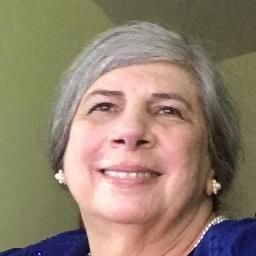
Mary Vietmeier
LPCC
Compassionate counselor for life changes
- Person-centered approach
- Trauma-informed care
- Video sessions preferred
About Mary
Mary trained first as a registered nurse and worked in surgery, labor and delivery, and cancer research before a back injury shifted her path. She later graduated summa cum laude from Capital University and earned a degree from Ohio State University. She became an Ohio licensed professional clinical counselor in 2001 and has over 21 years of experience in mental health care.
Her background also includes study in theology, a Masters in Divinity, and chaplaincy experience supporting people facing serious illness and end-of-life issues. That mix of medical, counseling, and spiritual perspectives shapes how she listens and responds in sessions.
Mary uses a person-centered, holistic approach that looks at physical, emotional, and spiritual sides of a person. She also draws on Trauma-Focused Therapy, attachment-based ideas, cognitive behavioral strategies, and skills from dialectical behavior therapy when useful. Sessions emphasize listening, practical tools, and clearer choices.
She typically works with individuals and prefers video visits because nonverbal communication matters to her. She does not usually provide family or marriage counseling, addictions work, or ADHD-focused services. Her goal is to help people find clarity, strengthen resilience, and discover small, realistic steps toward better days.
How therapeutic approaches shape online work
Mary uses Trauma-Focused Therapy to help people work through the effects of traumatic events, focusing on understanding how those experiences affect daily life and relationships. This approach often helps when memories, flashbacks, or strong reactions interfere with functioning. Attachment-Based Therapy is used to look at how early relationships influence current patterns, helping people notice and change how they relate to others. Client-Centered Therapy puts the person's experience at the center, with the therapist offering acceptance and empathy to help people find their own solutions.Choosing the right approach is part of the work. Mary treats this as a collaborative process, discussing goals and trying approaches that match a person's needs and preferences. She adjusts methods over time based on what helps most.
The therapist's biography notes a preference for video sessions because much communication is nonverbal. If you are considering online therapy, confirm the exact session options before booking so you know what formats are available. Online work can make it easier to fit sessions into a busy week, reduce travel time, and allow consistent check-ins during life transitions. Therapists and licensed professionals can adapt exercises, thought records, and DBT skills practice to an online setting so progress stays practical and focused.
These summaries are based on the profile information listed on BetterHelp. Listing trauma-focused therapy does not mean a therapist holds a specific certification such as TF-CBT, EMDR or CPT.
Areas of expertise
Primary focus
Also works with
Additional focus areas
Therapeutic approaches
Experience
21+ years
Credentials
Ohio
Languages
English
Licenses listed
- LPCC, OhioE.0004159
- NPI1619149390
As listed on the therapist's profile. You can check a license with the state licensing board and an NPI in the national registry.
Frequently asked questions
What concerns does she help with?
Mary helps people with stress, anxiety, depression, grief, trauma and abuse, relationship and intimacy-related issues, self-esteem, coping with life changes, career and coaching concerns, and compassion fatigue.
What is her therapeutic style like?
She uses a person-centered, holistic approach that listens first and helps people find practical steps. Mary may also use trauma-focused methods, attachment-based ideas, CBT, and DBT skills when they fit the situation.
How much experience does she have?
Mary has 21 years of experience in mental health care, with an earlier career in nursing and later work that included chaplaincy at a medical center.
What are her credentials and location?
She is an Ohio licensed professional clinical counselor, abbreviated as LPCC, and practices from Ohio.
Which languages are supported?
Sessions are offered in English.
Can international clients work with her?
International clients are not currently accepted.
How does pricing work?
Cost varies with location and therapist availability; sessions use a subscription that can be canceled at any time.
How do I begin if I want to reach out?
Use the Start Therapy button, complete the short matching questionnaire, and schedule according to the therapist's availability.
Therapists on BetterHelp do not prescribe medication; a doctor can talk with you about medical options. This directory is not a crisis service. If you are in immediate danger, call 911. If you are thinking about suicide, call or text 988.