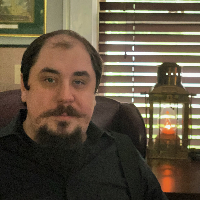
Matthew McKinley
LPCC
A practical, compassionate approach to trauma recovery
- Trauma-Focused Therapy
- Values-based work
- Skills and exposure
About Matthew
He uses Trauma-Focused Therapy alongside evidence-informed methods such as Acceptance and Commitment Therapy, Cognitive Behavioral Therapy, Client-Centered Therapy, and Dialectical Behavior Therapy. Sessions emphasize clear goals, skill practice, and honest conversation rather than jargon or heavy formality. Matthew also draws on existential ideas and personal study of Tibetan Buddhist perspectives to shape how he discusses meaning and values.
Common concerns addressed include coping with life changes, grief, compassion fatigue, addictions, sleep problems, anger, and issues with self-esteem and intimacy. He also supports people dealing with attachment problems, dissociation, impulsivity, hoarding, and first responder stress. Work may include behavioral experiments, values-based action, mindfulness skills, and targeted exposure techniques depending on client needs.
Matthew has six years of clinical experience and holds the credential Licensed Professional Clinical Counselor, LPCC. He works in Ohio and conducts sessions in English. He aims to build a collaborative relationship where clients set the pace and priorities.
People interested in exploring therapy are encouraged to review their options and follow the site's Start Therapy process to match with him and schedule an initial session.
How his therapy approaches translate to online work
Trauma-Focused Therapy focuses on processing difficult memories and learning ways to tolerate strong emotions. It often includes gradual exposure to troubling material and learning practical coping skills to reduce distress. Acceptance and Commitment Therapy, or ACT, helps people clarify what matters to them and take small steps toward those values while learning to live with uncomfortable thoughts and feelings.Matthew also uses Client-Centered Therapy, which centers the conversation on the person's experience and priorities. That approach emphasizes listening, empathy, and working at a pace the client sets. Together with Trauma-Focused and ACT-based tools, this creates a mix of skills practice, values work, and collaborative problem-solving.
Finding the right approach is part of the work. Matthew will help clients decide which methods fit their goals and preferences, and adjust plans as needs change. This is a collaborative process that balances symptom relief with building longer-term strengths.
Session logistics should be confirmed before booking because formats are not specified on the profile. Many people find online therapy can make scheduling easier, reduce travel time, and allow shorter check-ins when needed. Ask about available session options so sessions can be arranged to fit a busy life.
These summaries are based on the profile information listed on BetterHelp. Listing trauma-focused therapy does not mean a therapist holds a specific certification such as TF-CBT, EMDR or CPT.
Areas of expertise
Also works with
Additional focus areas
Therapeutic approaches
Experience
6+ years
Credentials
Ohio
Languages
English
Licenses listed
- LPCC, OhioE.2102291
- NPI1013422476
As listed on the therapist's profile. You can check a license with the state licensing board and an NPI in the national registry.
Frequently asked questions
What concerns does Matthew help with?
He works with stress, anxiety, depression, trauma and relationship struggles, along with related issues like addiction, grief, sleep problems, and parenting strain.
What is his therapeutic style like?
His style blends straightforward talk, skill building, and values-focused work. Sessions aim to be down-to-earth rather than formal or overly clinical.
What experience does he bring?
Matthew has six years of clinical experience working with trauma, anxiety disorders, and related concerns.
What credential and location are listed?
He holds the credential LPCC, which stands for Licensed Professional Clinical Counselor, and practices in Ohio.
Which languages and international options are available?
Sessions are offered in English and international clients are not currently accepted.
What session formats are offered?
Please confirm current session options before booking, as formats are not specified on the profile.
How are sessions priced?
Cost varies with location and therapist availability; sessions use a subscription that can be canceled at any time.
How do I begin working with him?
Use the Start Therapy button, complete a short matching questionnaire, and then schedule according to the therapist's availability.
Therapists on BetterHelp do not prescribe medication; a doctor can talk with you about medical options. This directory is not a crisis service. If you are in immediate danger, call 911. If you are thinking about suicide, call or text 988.