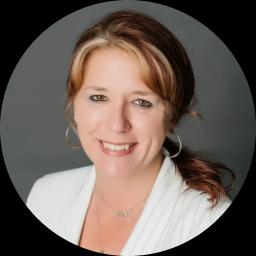
Michelle Bartnik
LPC
Calm guidance for trauma and family stress
- Trauma-focused approach
- Strengths-based
- Goal oriented
About Michelle
Michelle uses practical methods to help people name their struggles and take small steps forward. She draws on trauma-focused therapy to address past harm, attachment-based ideas to look at relationship patterns, and client-centered listening to make space for each person’s perspective. Cognitive Behavioral Therapy tools may be used to change unhelpful thoughts and behaviors when that fits the client’s goals.
After nine years working as an LPC, Michelle brings experience helping people cope with grief, relationship strain, career stress, bipolar disorder, ADHD, and major life changes. She also works with concerns like abandonment, blended family issues, body image, caregiver stress, and isolation or loneliness. Her practice emphasizes steady progress rather than quick fixes.
Sessions focus on clear, achievable goals. Michelle uses listening, questions, and practical exercises so people can try new ways of thinking and behaving between visits. She encourages collaboration and checks in about what is and isn’t working as therapy continues.
Language of service is English and services are provided from Michigan. People who want to start can use the site's Start Therapy process to complete a short questionnaire and schedule according to availability.
Approaches used in online therapy and what they address
Michelle commonly uses Trauma-Focused Therapy to help people process and recover from past harm, focusing on reducing the ways trauma still affects daily life. Attachment-Based Therapy is used to look at patterns in relationships and how early bonds influence current connections. Client-Centered Therapy emphasizes listening and respect, helping clients feel heard while they set their own goals.Finding the right approach is part of the work. The therapist will collaborate with each person to choose methods that match their needs, goals, and what feels comfortable. That might mean combining trauma-focused techniques with client-centered support or using cognitive behavioral strategies for specific problems like anxiety.
If you are considering online sessions, confirm the current session options before booking since formats are not specified in the profile. Online therapy can make it easier to fit sessions into a busy week, reduce travel time, allow shorter check-ins when needed, and offer alternatives when leaving work or home is difficult. Licensed professionals can adapt exercises, homework, and conversation to work well in remote sessions while helping people move toward clearer goals.
These summaries are based on the profile information listed on BetterHelp. Listing trauma-focused therapy does not mean a therapist holds a specific certification such as TF-CBT, EMDR or CPT.
Areas of expertise
Primary focus
Also works with
Additional focus areas
Therapeutic approaches
Experience
9+ years
Credentials
Michigan
Languages
English
Licenses listed
- LPC, Michigan6401017420
- NPI1164816112
As listed on the therapist's profile. You can check a license with the state licensing board and an NPI in the national registry.
Frequently asked questions
What kinds of problems does Michelle help with?
She works with stress, anxiety, trauma and abuse, parenting and family concerns, depression, grief, relationship issues, career stress, bipolar disorder, ADHD, and coping with life changes.
What is Michelle's therapeutic style like?
Her style is collaborative and practical, using client-centered listening alongside trauma-focused and cognitive behavioral techniques to set clear, achievable goals.
How much experience does she bring?
Michelle has nine years of experience as a Licensed Professional Counselor in Michigan and has worked with a broad range of life and mental health concerns.
What credentials and location are listed?
She holds the LPC credential and practices in Michigan.
Which languages are supported and can international clients connect?
Sessions are offered in English and international clients are not currently accepted.
What session formats are offered?
Please confirm current session options before booking, as specific formats are not listed in the profile.
How does pricing work for sessions?
Cost varies with location and therapist availability; sessions use a subscription that can be canceled at any time.
How do I begin working with Michelle?
Use the Start Therapy button, complete a short matching questionnaire, and schedule sessions based on the therapist's availability.
Therapists on BetterHelp do not prescribe medication; a doctor can talk with you about medical options. This directory is not a crisis service. If you are in immediate danger, call 911. If you are thinking about suicide, call or text 988.