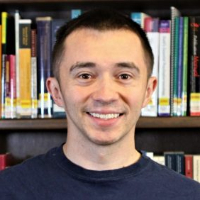
Paul Farley
LPC
Calm, direct care for trauma and relationships
- Practical coping skills
- Trauma-informed approach
- Collaborative process
About Paul
Paul uses Trauma-Focused Therapy alongside other approaches to support recovery from painful events. He also draws on Acceptance and Commitment Therapy, Cognitive Behavioral Therapy, Client-Centered Therapy, and Emotionally-Focused Therapy to tailor sessions to each person's needs. Sessions include straightforward skills, reflective talk, and gentle processing of difficult memories when appropriate.
Paul has eight years of experience and practices in Michigan as a Licensed Professional Counselor - LPC. He has worked with young adults, military veterans, and people exploring identity and sexuality. That background informs how he addresses attachment, communication, and issues like shame or impulsivity.
In his work Paul focuses on clear goals such as reducing panic, improving communication, building self-esteem, and coping with grief or major transitions. He helps people examine patterns like abandonment fears, commitment worries, or isolation and find different ways to respond. The pace and direction come from the client’s goals.
People who prefer a direct but compassionate style may find his approach helpful. He encourages collaboration and practical steps so progress can carry over into everyday life.
How Paul’s Approaches Work Online
Paul often uses Trauma-Focused Therapy to help people process difficult events and reduce the hold those memories have on daily life. This method focuses on addressing the effects of trauma through careful, paced work that aims to make memories less overwhelming.He also uses Acceptance and Commitment Therapy, which helps people notice painful thoughts and feelings without getting stuck in them and then commit to actions that match their values. Client-Centered Therapy is another part of his practice, where listening, empathy, and the client’s own goals shape the session rather than a preset agenda.
Finding the right approach is part of the work together. Paul will talk with each person about goals, preferences, and what feels manageable, then adapt techniques to fit those needs. The process is collaborative and paced by the client’s comfort and progress.
If you are considering online sessions, please confirm the current session options before booking. Online work can make it easier to fit therapy into a busy schedule, allow shorter check-ins when time is tight, and remove travel time so people can meet during a lunch break or between errands. Many licensed professionals also adapt exercises and homework to fit real life so gains carry over outside the session.
These summaries are based on the profile information listed on BetterHelp. Listing trauma-focused therapy does not mean a therapist holds a specific certification such as TF-CBT, EMDR or CPT.
Areas of expertise
Primary focus
Also works with
Additional focus areas
Therapeutic approaches
Experience
8+ years
Credentials
Michigan
Languages
English
Licenses listed
- LPC, Michigan6401019146
- NPI1063948941
As listed on the therapist's profile. You can check a license with the state licensing board and an NPI in the national registry.
Frequently asked questions
What concerns does Paul commonly address?
He helps people with stress, anxiety, trauma and abuse, relationship and intimacy issues, self-esteem, grief, and coping with life changes among other concerns.
What is Paul’s therapeutic style?
Paul combines direct, compassionate support with skills-based work and reflective conversation. He uses approaches like Trauma-Focused Therapy, ACT, CBT, and client-centered methods to match each person’s needs.
How much clinical experience does he have?
Paul has eight years of experience working as a counselor. That experience includes work with young adults, military veterans, and people exploring identity and sexuality.
What are his credentials and where does he practice?
He is a Licensed Professional Counselor, LPC, practicing in Michigan.
Which languages are supported for sessions?
Sessions are offered in English.
Can people outside the United States work with him?
He does not accept international clients at this time.
How are fees and billing handled?
Cost varies with location and therapist availability; sessions use a subscription that can be canceled at any time.
How do I begin working with Paul?
Click the Start Therapy button, complete a short matching questionnaire, and then schedule according to therapist availability.
Therapists on BetterHelp do not prescribe medication; a doctor can talk with you about medical options. This directory is not a crisis service. If you are in immediate danger, call 911. If you are thinking about suicide, call or text 988.