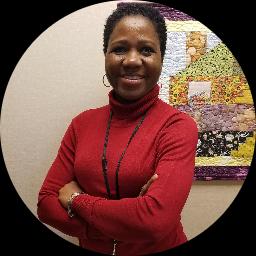
Prisca Okeahialam-swaray
LICSW
Practical, strengths-based trauma-informed support
- Strengths focused
- Trauma-Focused Therapy
- Skill building
About Prisca
She helps people manage stress, anxiety, depression, grief, and the effects of trauma and abuse. She also addresses relationship challenges, parenting strain, anger, self-esteem, and mood concerns such as bipolar disorder. Readers will find a practical focus on coping with life changes and day-to-day challenges.
Prisca uses several well known approaches in her work, including Trauma-Focused Therapy, Client-Centered Therapy, cognitive behavioral techniques, dialectical behavior ideas, and motivational interviewing. In sessions she listens for what is most useful and adapts tools to each person's situation. That can mean learning skills to handle strong feelings, trying small behavior changes, or reworking unhelpful thinking patterns.
Her style is collaborative and respectful. She emphasizes that the client is the expert on their life, and therapy is a joint process of problem solving. Prisca offers steady support while people practice new ways of coping and communicating.
People who reach out can expect down-to-earth conversation, clear goals, and practical steps between sessions. She encourages small, doable changes that build toward larger shifts over time.
Approaches that guide online work
Trauma-Focused Therapy concentrates on helping people process difficult events and reduce the ways past experiences make life harder now. It often includes talking through memories, building coping skills, and creating safety plans for overwhelming moments.Client-Centered Therapy centers conversation on the person’s perspective and strengths. The therapist follows the client’s lead, reflects what is said, and helps people clarify their goals and values.
Cognitive Behavioral Therapy focuses on the links between thoughts, feelings, and actions. It teaches practical tools to test unhelpful thoughts and try small behavior changes that improve mood and daily functioning.
Finding the right approach is part of therapy. The therapist will work together with the client to choose methods that match needs, goals, and preferences. That collaboration can include trying different tools and adjusting the plan as progress is made.
Confirm current session options before booking to know which online formats are offered. Many people find online sessions fit more easily into a busy life by avoiding travel time, allowing shorter check-ins during the day, and making it simpler to schedule around work or family obligations. Online work can also let people use written exercises, skill practice, and regular homework in ways that fit everyday routines.
These summaries are based on the profile information listed on BetterHelp. Listing trauma-focused therapy does not mean a therapist holds a specific certification such as TF-CBT, EMDR or CPT.
Areas of expertise
Primary focus
Also works with
Additional focus areas
Therapeutic approaches
Experience
13+ years
Credentials
Minnesota
Languages
English
Licenses listed
- LICSW, Minnesota20173
- NPI1073853172
As listed on the therapist's profile. You can check a license with the state licensing board and an NPI in the national registry.
Frequently asked questions
What kinds of concerns does she address?
She works with stress, anxiety, depression, grief, trauma and abuse, relationship issues, parenting strain, anger, self-esteem, bipolar disorder, and ADHD among other life challenges.
What is her therapeutic style like?
Her approach is collaborative and person-centered; she listens first and then suggests practical strategies to try between sessions.
How much experience does she have?
She has 13 years of professional work experience supporting people through a range of emotional and life concerns.
What credentials and region are listed?
She holds a Minnesota LICSW and practices from Minnesota.
Which languages are supported for sessions?
Sessions are offered in English.
Can people outside the United States work with her?
International clients are not currently accepted; sessions are offered to those within the supported region.
How are fees and payments handled?
Cost varies by location and with therapist availability; sessions use a subscription that can be canceled at any time.
What are the steps to begin therapy?
Choose the Start Therapy button, complete a short matching questionnaire, and then schedule according to therapist availability.
Therapists on BetterHelp do not prescribe medication; a doctor can talk with you about medical options. This directory is not a crisis service. If you are in immediate danger, call 911. If you are thinking about suicide, call or text 988.