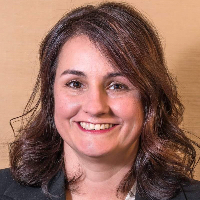
Rachael McKinnon
LMSW
Warm, practical support for trauma and life change
- Trauma-informed care
- Skill-focused work
- Compassionate collaboration
About Rachael
Rachael works with a wide range of concerns including addictions, relationship and family issues, grief, sleep problems, anger, self-esteem, career stress, and bipolar mood challenges. She also addresses areas such as abandonment, body image, caregiver stress, chronic illness, codependency, communication problems, dissociation, and recovery from domestic violence.
In sessions she blends Trauma-Focused Therapy with approaches such as Acceptance and Commitment Therapy, Cognitive Behavioral Therapy, Dialectical Behavior Therapy, and Client-Centered Therapy. That mix lets her support both emotional processing and concrete skill-building. Sessions are collaborative and paced around the client’s needs.
Her style is direct but compassionate. She helps people name what matters, try new ways of coping, and track small changes that add up. People leave with clearer strategies for managing strong emotions and making decisions that fit their goals.
Rachael’s practice emphasizes steady progress. She helps clients set realistic goals, practice new habits, and notice what works. The clinical aim is to reduce suffering and increase functioning through practical tools and sustained emotional work.
How her approaches translate to online therapy
Rachael uses Trauma-Focused Therapy to help people process past harms and reduce the ways trauma affects daily life. That work typically involves pacing emotional processing and developing coping strategies for intense feelings. Acceptance and Commitment Therapy (ACT) helps people clarify their values and take committed steps toward a meaningful life, even when difficult thoughts or feelings show up. Client-Centered Therapy emphasizes a respectful, nonjudgmental conversation where the person’s goals guide the pace and focus of sessions.Choosing an approach is collaborative. She will work with each person to decide which methods best match their needs, goals, and preferences. Together they may try a few strategies and adjust based on what helps most in real life.
The practical benefits of online work include fitting sessions into a busy schedule and making it easier to keep regular appointments. If you want to know which session formats she currently offers, confirm available options before booking. Online sessions can make it simpler to attend brief check-ins, schedule evening appointments, or avoid travel so therapy is easier to maintain alongside daily responsibilities.
These summaries are based on the profile information listed on BetterHelp. Listing trauma-focused therapy does not mean a therapist holds a specific certification such as TF-CBT, EMDR or CPT.
Areas of expertise
Primary focus
Also works with
Additional focus areas
Therapeutic approaches
Experience
14+ years
Credentials
Michigan
Languages
English
Licenses listed
- LMSW, Michigan6801091574
- NPI1841512829
As listed on the therapist's profile. You can check a license with the state licensing board and an NPI in the national registry.
Frequently asked questions
What kinds of problems does she help with?
She helps people manage stress, anxiety, depression, trauma and abuse, addictions, grief, sleep issues, anger, self-esteem, career concerns, relationship and family difficulties, and related challenges.
What is her general therapeutic style?
Her style is warm, motivational, and interactive. She combines emotional processing with practical skills so clients leave with tools they can use daily.
How much clinical experience does she have?
She has 14 years of clinical experience working with a broad range of mental health concerns in Michigan.
What credentials and location should I know about?
She holds an LMSW, which stands for Licensed Master’s Social Worker, and she practices in Michigan.
Which languages are sessions offered in?
Sessions are offered in English.
Can people outside the U.S. work with her?
She does not accept international clients at this time.
How are fees and billing handled?
Cost varies by location and therapist availability; sessions use a subscription that can be canceled at any time.
How do I begin working with her?
Choose the Start Therapy button, complete a short matching questionnaire, and then schedule sessions according to therapist availability.
Therapists on BetterHelp do not prescribe medication; a doctor can talk with you about medical options. This directory is not a crisis service. If you are in immediate danger, call 911. If you are thinking about suicide, call or text 988.