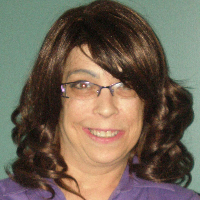
Dr. Rachel Kinison
LCPC, LMHC
Practical trauma-informed care with down-to-earth guidance
- 20 years experience
- Trauma-Focused Therapy
- Practical relaxation tools
About Rachel
She holds a doctorate in Pastoral Community Counseling and a masters degree in Counseling. She is a Licensed Clinical Professional Counselor (LCPC) in Illinois and a Licensed Mental Health Counselor (LMHC) in Florida. Rachel mentions navigating her own health challenges while maintaining an active counseling practice, and she balances work with hobbies like cooking and travel.
In sessions she tends to blend methods rather than rely on a single approach. Cognitive Behavioral Therapy is a frequent starting point, and she also uses Trauma-Focused Therapy, Emotionally-Focused Therapy, and Narrative Therapy when they fit the situation. She emphasizes relaxation techniques and teaches simple tools clients can use between meetings.
Her background includes work in community counseling agencies, a hospital behavioral health unit, and adult probation programs. She has led individual and group therapy and has training in PTSD-related care. Rachel describes therapy as a team effort: clients solve problems and she helps point the way.
Clients can expect straightforward language, short practical exercises, and a focus on changing one small thing that can shift thoughts, behavior, or mood. She aims to leave people with skills they can use on their own after sessions.
How her approaches translate to online work
Trauma-Focused Therapy focuses on processing difficult memories and grounding techniques to reduce distress; it can help people who have experienced abuse, violence, or other traumatic events by teaching ways to manage intense reactions. Cognitive Behavioral Therapy (CBT) looks at how thoughts influence feelings and behavior and teaches practical skills to change unhelpful patterns, which is useful for anxiety, depression, and stress. Emotionally-Focused Therapy (EFT) helps people notice and name important emotions and then use that awareness to try new ways of responding in relationships and personal struggles.Finding the right approach is part of the work together. The therapist will discuss goals, preferences, and what has or hasnt helped in the past. That conversation guides whether Trauma-Focused Therapy, CBT, EFT, or a mix is used, and the plan can change as progress is made.
Session logistics should fit into everyday life. Because the biography does not list specific session formats, confirm which options are currently offered before booking. Online therapy can make it easier to schedule appointments around work, manage shorter check-ins when needed, and use video or audio as fits the clients comfort and energy levels. Licensed professionals aim to help clients apply skills between sessions so work in therapy can carry over into daily routines.
These summaries are based on the profile information listed on BetterHelp. Listing trauma-focused therapy does not mean a therapist holds a specific certification such as TF-CBT, EMDR or CPT.
Areas of expertise
Also works with
Additional focus areas
Therapeutic approaches
Experience
20+ years
Credentials
Illinois, Florida
Languages
English
Licenses listed
- LCPC, Illinois180.007037
- LMHC, FloridaMH16436
- NPI1992946354
As listed on the therapist's profile. You can check a license with the state licensing board and an NPI in the national registry.
Frequently asked questions
What kinds of problems does she help with?
She helps people with stress, anxiety, trauma and abuse, grief, self-esteem, addictions, anger, depression, and related life changes.
What is her general style in therapy?
Her approach is practical and straightforward, mixing Cognitive Behavioral Therapy, Trauma-Focused Therapy, Emotionally-Focused Therapy, and Narrative Therapy as needed.
How much clinical experience does she have?
Rachel has about 20 years of counseling experience across community agencies, hospital behavioral health, and adult probation programs.
What are her professional credentials and where is she based?
She holds a doctorate in Pastoral Community Counseling, a masters degree in Counseling, and is licensed as an IL LCPC and FL LMHC; she is based in Illinois.
Which languages are supported for sessions?
Sessions are offered in English and international clients are accepted.
What session formats are available?
The biography does not list specific session formats; please confirm current options before booking.
How does billing or cost work?
Cost varies by location and therapist availability; sessions use a subscription that can be canceled at any time.
How do I begin if I want to work together?
Use the Start Therapy button, complete a short matching questionnaire, and schedule according to therapist availability.
Therapists on BetterHelp do not prescribe medication; a doctor can talk with you about medical options. This directory is not a crisis service. If you are in immediate danger, call 911. If you are thinking about suicide, call or text 988.