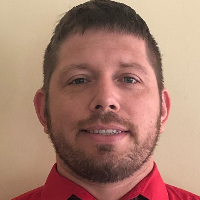
Richard Rodgers
LCSW
Compassionate trauma-informed social worker
- Trauma-focused care
- Addiction support
- Veteran-informed perspective
About Richard
He works with people dealing with addiction, trauma and abuse, anxiety, depression, grief, and stress. He also addresses relationship and intimacy-related concerns, parenting strain, sleeping problems, and issues like ADHD and compassion fatigue. His background includes inpatient and outpatient settings and work with veterans and people with criminal backgrounds.
Richard trained for a Master of Social Work and completed the licensing process to become an LCSW. That path followed an earlier Bachelor’s in Community Health. Over ten years he has applied those skills in a variety of clinical settings, concentrating on addiction and trauma-related care.
His style mixes talk therapy with methods chosen to fit each person. He emphasizes listening first, then building a plan together. He aims to empower clients to understand their past and develop coping strategies for daily life.
Outside work he spends time with family, pets, and community events. He brings that same grounded, straightforward energy to sessions and focuses on practical steps people can use between meetings.
How his approaches translate to online therapy
Richard uses Trauma-Focused Therapy to address the effects of traumatic events, helping people process memories and reduce distress in daily life. Acceptance and Commitment Therapy (ACT) helps people notice difficult thoughts and feelings while committing to actions that match their values. Attachment-Based Therapy focuses on how early relationships shape current patterns and works to strengthen connection and emotional regulation.Choosing the right approach is a collaborative process. He will talk with each person about their history, goals, and preferences before recommending which methods to try. Plans may be adjusted over time based on what is most helpful for daily functioning and well-being.
Confirm current session options before booking, as formats are not listed here. Online work can make it easier to fit sessions into a busy life, such as avoiding travel time, fitting a short check-in during a break, or using audio-only when bandwidth is low. Licensed professionals can deliver the same therapeutic conversations, homework, and skills practice through remote sessions, and Richard aims to help people apply what they learn to everyday situations.
These summaries are based on the profile information listed on BetterHelp. Listing trauma-focused therapy does not mean a therapist holds a specific certification such as TF-CBT, EMDR or CPT.
Areas of expertise
Primary focus
Also works with
Additional focus areas
Therapeutic approaches
Experience
10+ years
Credentials
Illinois, Indiana, Arizona
Languages
English
Licenses listed
- LCSW, Illinois149.020534
- LCSW, Indiana34008256A
- LCSW, ArizonaLCSW-21892
- NPI1891279287
As listed on the therapist's profile. You can check a license with the state licensing board and an NPI in the national registry.
Frequently asked questions
What kinds of concerns does this therapist help with?
He helps people with addiction, trauma and abuse, anxiety, depression, grief, stress, relationship and intimacy-related issues, sleeping problems, parenting strain, ADHD, and compassion fatigue among other concerns.
What is his therapeutic style like?
He uses a person-centered approach and tailors methods to each individual. Sessions combine talk therapy with techniques chosen to match goals and needs.
How much experience does he have?
He has about 10 years working in mental health and addiction settings, including inpatient and outpatient care and work with veterans.
What credentials and region does he hold?
He is a Licensed Clinical Social Worker (LCSW) and practices from Indiana with licensure history in IL and AZ noted in his background.
Which languages are sessions offered in?
Sessions are offered in English.
Can international clients work with him?
He does not accept international clients at this time.
How much do sessions cost?
Cost varies with location and therapist availability; sessions use a subscription that can be canceled at any time.
What are the steps to begin therapy?
Select the Start Therapy button, complete a short matching questionnaire, and schedule according to therapist availability.
Therapists on BetterHelp do not prescribe medication; a doctor can talk with you about medical options. This directory is not a crisis service. If you are in immediate danger, call 911. If you are thinking about suicide, call or text 988.