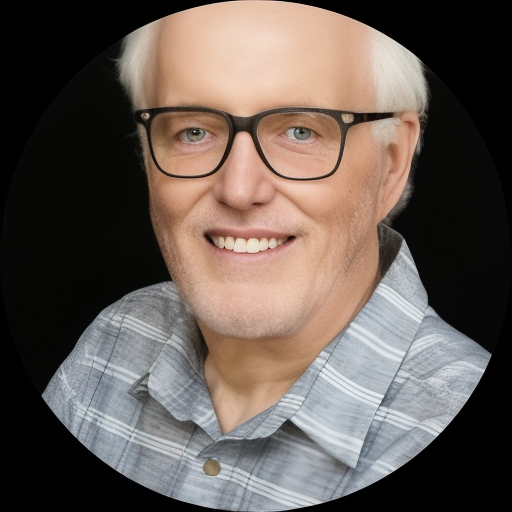
Robert Hoopingarner
LPCC, LPC
Compassionate counselor focused on real-life change
- Trauma-informed approach
- Person-centered care
- Practical coping skills
About Robert
He describes his style as warm and interactive and emphasizes listening first. Conversations are shaped around each person's needs rather than one fixed method. He uses a person-centered stance that avoids labels and treats clients with sensitivity and compassion.
Robert combines several approaches when it fits the client’s goals. He draws on Trauma-Focused Therapy, client-centered techniques, cognitive behavioral tools, and emotionally focused ideas. This mix is used to address symptoms, strengthen coping skills, and clarify relationship patterns.
In practice he works with individuals, couples, families, and groups and has experience with both in-office and online sessions. He focuses on creating a plan with clear, achievable steps and adjusts that plan as progress is made. His aim is to support people who want practical change and emotional relief.
He invites people who are ready to begin change to take the first step. The work begins with a short intake and goal setting, then ongoing sessions that fit the client’s pace and priorities.
Approaches that translate to online work
Trauma-Focused Therapy focuses on addressing the impact of traumatic events. It often includes careful pacing, grounding skills, and steps to reduce the hold of painful memories so daily life feels more manageable. Client-Centered Therapy emphasizes the person’s experience and personal goals. The therapist listens with acceptance and helps clients articulate what they want to change without imposing labels or judgments. Cognitive Behavioral Therapy (CBT) looks at patterns of thought and behavior and teaches concrete skills for coping, mood management, and problem solving.Finding the right approach is part of the process. The therapist will work collaboratively to decide which methods best match the client’s needs, goals, and preferences. Plans can combine approaches and adjust over time as progress is made.
The biography notes experience with online sessions, but it does not specify current formats. Confirm available session types before booking. Online options can make it easier to fit therapy into a busy life, reduce travel time, and allow shorter check-ins when a full session isn’t needed. They can also let people continue care through life changes while keeping the focus on practical skills and steady progress.
These summaries are based on the profile information listed on BetterHelp. Listing trauma-focused therapy does not mean a therapist holds a specific certification such as TF-CBT, EMDR or CPT.
Areas of expertise
Primary focus
Also works with
Additional focus areas
Therapeutic approaches
Experience
26+ years
Credentials
Arizona, Ohio
Languages
English
Licenses listed
- LPC, ArizonaLPC-19885
- LPCC, OhioE.1400007
- NPI1184041790
As listed on the therapist's profile. You can check a license with the state licensing board and an NPI in the national registry.
Frequently asked questions
What kinds of problems does he help with?
He supports people with stress, anxiety, depression, addiction, grief, trauma and family or relationship conflict, among other concerns.
How would you describe his therapy style?
His style is warm and interactive and focuses on listening. Sessions are tailored to your goals and use practical tools alongside empathic conversation.
What is his background and experience?
He has worked in counseling since 1987, giving him 26 years of professional experience across individual, couples, family, and group settings.
What credentials and location are listed for this therapist?
He holds LPCC and LPC credentials, specifically OH LPCC and AZ LPC, and practices out of Arizona.
Are sessions available in other languages or internationally?
Sessions are offered in English. He is not accepting international clients at this time.
What session formats are offered?
The biography notes experience with both in-office and online work. Confirm current session options with the provider before booking.
How are fees and payment handled?
Cost varies with location and therapist availability; sessions use a subscription that can be canceled at any time.
How do I begin working with this therapist?
Start by selecting the Start Therapy button, completing a short matching questionnaire, and scheduling according to therapist availability.
Therapists on BetterHelp do not prescribe medication; a doctor can talk with you about medical options. This directory is not a crisis service. If you are in immediate danger, call 911. If you are thinking about suicide, call or text 988.