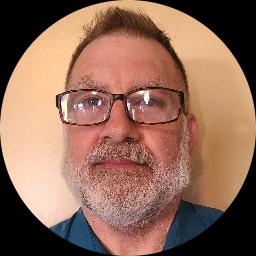
Rodney Black
LCSW, LISW
Seasoned clinician focused on trauma recovery
- 31 years experience
- Trauma-informed care
- LCSW LISW
About Rodney
He draws on personal experience with family mental illness, addiction, and recovery. Those experiences shaped his interest in trauma and addiction work and his respect for the queer community. He also served in the US military and spent time deployed to Afghanistan, which informs his understanding of stress and service-related issues.
Rodney describes therapy as a shared process rather than a one-sided fix. He blends practical techniques with listening and presence so people can find their own path forward. Sessions tend to focus on everyday problems like anger, self-esteem, substance use, and coping with big life changes.
His approach uses a mix of Trauma-Focused Therapy, Acceptance and Commitment Therapy (ACT), Attachment-Based Therapy, Client-Centered Therapy, and Cognitive Behavioral Therapy (CBT). These methods are used to address symptoms and patterns while helping people reconnect with purpose and values.
Rodney’s work is informed by decades in community settings and by lived experience. He aims to create a respectful space where people feel seen and can try new ways of managing emotions and relationships.
How therapeutic approaches work online
Trauma-Focused Therapy helps people talk through the impact of past harm and learn coping skills for triggers and flashbacks. It is often used when trauma and abuse are central concerns and the goal is to reduce distress tied to those memories.Acceptance and Commitment Therapy (ACT) focuses on values and taking small, meaningful actions even when feelings are uncomfortable. It can help people facing addiction, low self-esteem, or life transitions by naming what matters and committing to steps that match those values.
Attachment-Based Therapy looks at how early relationships shape current ways of relating and feeling safe with others. This approach can help people who struggle with trust, loneliness, or repeating painful patterns in relationships.
Finding the right approach is part of the work. The therapist will collaborate with each person to decide which methods fit their needs, goals, and preferences. That plan can change over time as progress and challenges emerge.
Online therapy can make it easier to fit sessions into a busy life by removing travel and offering more flexibility for scheduling. Different formats have different strengths, so confirm the specific session options before booking. Many people appreciate that online sessions let them attend from a quieter place, use shorter check-ins when needed, or avoid commutes while still working through trauma, addiction, or relationship patterns with a licensed professional.
These summaries are based on the profile information listed on BetterHelp. Listing trauma-focused therapy does not mean a therapist holds a specific certification such as TF-CBT, EMDR or CPT.
Areas of expertise
Primary focus
Also works with
Additional focus areas
Therapeutic approaches
Experience
31+ years
Credentials
Nebraska, Iowa, Oregon
Languages
English
Licenses listed
- LIMHP, Nebraska3120
- LISW, Iowa01073
- LCSW, OregonL14200
- NPI1295981645
As listed on the therapist's profile. You can check a license with the state licensing board and an NPI in the national registry.
Frequently asked questions
What concerns does Rodney commonly address?
He works with people facing addictions, trauma and abuse, anger, coping with life changes, self-esteem struggles, and career concerns. Additional focus areas include family of origin issues, codependency, and veteran-related issues.
How would you describe his therapy style?
He combines practical skills with attentive listening and a collaborative stance. The work blends evidence-based techniques with room for personal meaning and recovery.
What is his professional background?
Rodney has more than three decades of experience, much of it in community-based settings, and he has personal experience with addiction and family mental illness that informs his perspective.
Which credentials and location apply to this clinician?
He holds LCSW and LISW credentials and is based in Iowa.
Are sessions available in other languages or internationally?
Sessions are offered in English and international clients are accepted.
What session formats does he offer?
Please confirm current session options before booking, as specific formats are not listed in the biography.
How is cost handled for sessions?
Cost varies with location and therapist availability; sessions use a subscription that can be canceled at any time.
How do I begin working with him?
Select the Start Therapy button, complete a short matching questionnaire, and schedule according to therapist availability.
Therapists on BetterHelp do not prescribe medication; a doctor can talk with you about medical options. This directory is not a crisis service. If you are in immediate danger, call 911. If you are thinking about suicide, call or text 988.