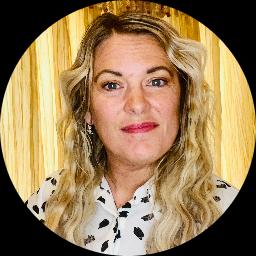
Sara Nielsen
LCMHC, LCPC
Compassionate counselor with practical skills
- Trauma-informed care
- Practical coping tools
- Collaborative approach
About Sara
Her style is collaborative and interactive. Sessions focus on the concerns the person brings and move at a pace that feels manageable. She listens first, then helps people set clear, practical goals and steps to reach them.
Sara blends Trauma-Focused Therapy with cognitive and behavioral methods. She also uses Acceptance and Commitment Therapy, Dialectical Behavior Therapy, mindfulness, and client-centered techniques. She adapts these approaches to each person’s needs rather than relying on a single method.
Typical concerns she addresses include stress, anxiety, depression, trauma and abuse, eating and body-image issues, relationship and intimacy-related concerns, grief, sleep problems, anger, self-esteem, ADHD, and addiction-related struggles. She also supports people facing career changes, compassion fatigue, and co-occurring conditions.
Sara emphasizes practical skills alongside emotional processing. That may mean learning emotion-regulation tools, practicing new communication habits, or planning small behavior changes. Her aim is to help people build routines and strategies that fit their daily life.
People who prefer a warm, steady guide and practical steps may find this approach helpful. To begin, follow the site's booking steps to match and schedule a first session.
How therapeutic approaches shape online care
Trauma-Focused Therapy helps people safely process past hurts and their effects on daily life; it often includes pacing, grounding, and techniques to reduce overwhelming reactions. Acceptance and Commitment Therapy (ACT) focuses on noticing thoughts and feelings without getting stuck, and then choosing actions that match personal values. Client-Centered Therapy emphasizes empathy and a warm, nonjudgmental relationship where the person’s own goals guide the work.Choosing the right approach is a collaborative process. The therapist will listen to what matters most to the client and suggest ways of working that fit their goals and preferences. Together they review which methods feel most helpful and adjust the plan as progress is made.
Session logistics should be confirmed before booking since formats were not specified in the biography. Online therapy can make it easier to fit sessions into a busy life - fewer travel demands, simpler scheduling, and the ability to check in from wherever a quieter space is available. Some formats may be shorter or require less video bandwidth, which can help people keep therapy consistent during workdays or caregiving responsibilities. Confirm current session options when you book to pick what works best.
These summaries are based on the profile information listed on BetterHelp. Listing trauma-focused therapy does not mean a therapist holds a specific certification such as TF-CBT, EMDR or CPT.
Areas of expertise
Primary focus
Also works with
Additional focus areas
Therapeutic approaches
Experience
19+ years
Credentials
Missouri, Kansas, New Hampshire, Alabama
Languages
English
Licenses listed
- LPC, Missouri2008025315
- LCPC, KansasLCPC 2756
- LCMHC, New Hampshire3364
- LPC, AlabamaLPC04529
- NPI1598897464
As listed on the therapist's profile. You can check a license with the state licensing board and an NPI in the national registry.
Frequently asked questions
What concerns does Sara commonly address?
She works with a wide range of issues including stress, anxiety, depression, trauma and abuse, eating and body-image concerns, relationship and intimacy-related problems, grief, sleep issues, anger, self-esteem, ADHD, and addictions.
How would you describe her therapeutic style?
The approach is collaborative and interactive. Sessions focus on the client's needs and combine practical skills with emotional processing.
What is her clinical background and experience?
She has 19 years of clinical experience working with many presenting concerns and adapting therapeutic methods to each person.
What credentials and location apply to this therapist?
Sara holds LCMHC and LCPC credentials and practices from Alabama.
Which languages are supported for sessions?
Sessions are offered in English.
Can people outside the United States work with her?
International clients are not currently accepted.
How does payment and cost work?
Cost varies by location and therapist availability; sessions use a subscription that can be canceled at any time.
What are the steps to begin working together?
Select the Start Therapy button, complete a short matching questionnaire, and then schedule according to the therapist's availability.
Therapists on BetterHelp do not prescribe medication; a doctor can talk with you about medical options. This directory is not a crisis service. If you are in immediate danger, call 911. If you are thinking about suicide, call or text 988.