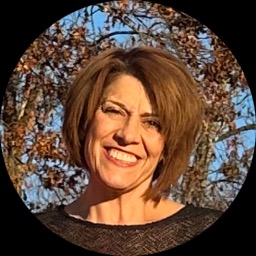
Sara Scott
LCSW
Practical trauma-informed therapy for everyday life
- Trauma-focused support
- Skills-based tools
- Values-centered work
About Sara
Sara combines Trauma-Focused Therapy with cognitive and skills-based methods. She uses cognitive behavioral techniques to spot unhelpful thinking patterns. She uses Dialectical Behavior Therapy skills to teach emotional regulation and distress tolerance. Acceptance and Commitment Therapy ideas help people clarify values and take meaningful action.
Her background includes work in nonprofits, hospitals, prisons, and schools. She has counseled individuals and couples and led groups across many settings. This range of experience informs a flexible style that adapts to different needs and life stages.
Sara aims to create an authentic and compassionate space. Sessions focus on clear goals, skill building, and steps that can be practiced between meetings. She also draws on mindfulness and client-centered principles to keep sessions grounded in each person's experience.
People who choose her often want a therapist who combines practical tools with attention to past hurt and current challenges. She invites prospective clients to reach out and describe what they are facing so she can explain how therapy might fit their goals.
How therapeutic approaches translate to online care
Sara uses Trauma-Focused Therapy to help people process past hurt and reduce its hold on daily life. That work typically focuses on remembering and making sense of difficult events in ways that reduce distress and improve functioning.She also draws on Acceptance and Commitment Therapy, which helps people clarify personal values and take steps that matter even when feelings are difficult. Cognitive Behavioral Therapy is used to identify and change unhelpful thoughts and behaviors that keep problems going.
Finding the best approach is a shared process. Sara will work with each person to decide which mix of Trauma-Focused Therapy, ACT, or CBT fits their needs, goals, and preferences. That collaborative planning helps tailor sessions and set practical goals.
The biography does not list specific online session formats, so confirm the available options before booking. Online therapy can make it easier to fit sessions into a busy week, reduce travel time, and allow for shorter check-ins when schedules are tight. It also lets people practice skills from the places they live and work, which can speed up applying new strategies in everyday life.
These summaries are based on the profile information listed on BetterHelp. Listing trauma-focused therapy does not mean a therapist holds a specific certification such as TF-CBT, EMDR or CPT.
Areas of expertise
Primary focus
Also works with
Additional focus areas
Therapeutic approaches
Experience
26+ years
Credentials
Missouri
Languages
English
Licenses listed
- LCSW, Missouri2010007959
- NPI1255770194
As listed on the therapist's profile. You can check a license with the state licensing board and an NPI in the national registry.
Frequently asked questions
What kinds of problems does she help with?
Sara helps with stress, anxiety, depression, trauma and abuse, relationship and family concerns, grief, anger, addictions, and other life changes listed in her specialties.
What is her therapy style like?
She blends Trauma-Focused Therapy with evidence-based methods like CBT, DBT, and ACT. Sessions focus on skills, values, and processing difficult experiences in a practical way.
How much clinical experience does she have?
She has 26 years of clinical experience across nonprofits, hospitals, prisons, and schools, and has provided individual and couples counseling plus group work.
What are her credentials and where is she located?
She is a Licensed Clinical Social Worker, LCSW, licensed in Missouri and practices from that state.
Which languages are supported?
Sessions are offered in English only and international clients are not currently accepted.
What session formats are available?
The original biography does not list specific session formats. Please confirm current session options before booking.
How is cost handled?
Cost varies by location and the therapist's scheduling. Sessions use a subscription that can be canceled at any time.
How do I begin working with her?
Use the Start Therapy button, complete a short matching questionnaire, and schedule according to the therapist's availability.
Therapists on BetterHelp do not prescribe medication; a doctor can talk with you about medical options. This directory is not a crisis service. If you are in immediate danger, call 911. If you are thinking about suicide, call or text 988.