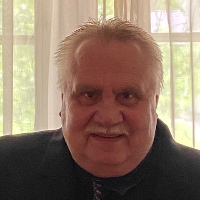
Scott Heise
LCPC
Experienced counselor focused on trauma recovery
- Goal oriented
- Empathetic
- Faith-friendly
About Scott
He takes a straightforward, empathetic approach in sessions. Scott centers conversations on the client's goals and uses everyday language to make steps clear. He can include Christian faith perspectives when requested, and often uses humor and prayer when that fits a client's needs.
Scott draws on several therapeutic methods to help people break down problems and try practical strategies. He uses Trauma-Focused Therapy when addressing past harm, and Cognitive Behavioral Therapy to identify and change unhelpful thoughts and behaviors. Dialectical Behavior Therapy skills appear in his work with emotion regulation and crisis management.
People who turn to Scott often want concrete plans for coping - short-term tools and longer-term adjustments. He helps clients set objectives, track progress, and revise goals as needed. Sessions aim to reduce immediate distress while building skills for future challenges.
Scott also assists with a wide range of related concerns, including grief, sleep problems, parenting stress, career worries, ADHD, and chronic health issues. He frames therapy as a collaborative process and works at a pace the client chooses.
How Scott Uses Therapy Approaches Online
Scott often draws on Trauma-Focused Therapy to help people process past hurt, focusing on safe, paced ways to address difficult memories and the impact they have now. He also uses Client-Centered Therapy, which emphasizes listening, collaboration, and shaping sessions around what matters most to the person. Cognitive Behavioral Therapy (CBT) appears when the work calls for finding and changing unhelpful thought patterns and testing small behavior changes to improve daily life.Choosing the right approach is part of the work together. The therapist will discuss goals, preferences, and what feels most useful, then adapt methods as the process unfolds. This is a collaborative effort where adjustments are expected as needs change.
The original profile does not specify which online session types are offered, so confirm the current session options before booking. Online work can make it easier to fit sessions into a busy life, allow shorter check-ins when needed, and reduce travel time. It also supports consistent access to therapy tools like worksheets, skill practice, and guided exercises between meetings.
These summaries are based on the profile information listed on BetterHelp. Listing trauma-focused therapy does not mean a therapist holds a specific certification such as TF-CBT, EMDR or CPT.
Areas of expertise
Primary focus
Also works with
Additional focus areas
Therapeutic approaches
Experience
14+ years
Credentials
Illinois
Languages
English
Licenses listed
- LCPC, Illinois180009662
- NPI1821328063
As listed on the therapist's profile. You can check a license with the state licensing board and an NPI in the national registry.
Frequently asked questions
What kinds of problems does Scott help with?
He works with stress, anxiety, depression, addictions, trauma and abuse, sleep problems, grief, parenting strain, anger, self-esteem, bipolar concerns, ADHD, and related life changes.
What is his therapy style like?
Scott describes his work as empathetic and goal oriented. Sessions tend to focus on clear objectives, practical steps, and the client's priorities.
What background does he bring to therapy?
He has 14 years of clinical experience and has worked largely in community mental health settings. His training includes a master’s degree in counseling psychology.
Which credentials and region apply to this therapist?
He holds the LCPC credential in Illinois and practices in that state.
Can sessions be offered in other languages or internationally?
Sessions are offered in English and he is not currently accepting international clients.
What session formats are available?
The original profile does not list specific session formats, so please confirm current session options before booking.
How does billing and cost work?
Cost varies with location and therapist availability; sessions use a subscription model that can be canceled at any time.
How do I begin if I want to work with him?
Click the Start Therapy button, complete the short matching questionnaire, and then schedule according to therapist availability.
Therapists on BetterHelp do not prescribe medication; a doctor can talk with you about medical options. This directory is not a crisis service. If you are in immediate danger, call 911. If you are thinking about suicide, call or text 988.