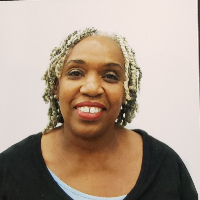
Sharon Sumler
LMSW
Compassionate support for life’s hardest moments
- Trauma-informed approach
- Skill focused
- Warm and direct
About Sharon
Sharon favors an approach that starts with listening. She helps people name what is most painful and figure out small, manageable changes. Her work combines Client-Centered methods with Cognitive Behavioral strategies and elements of Dialectical Behavior Therapy and Mindfulness. She also uses Trauma-Focused Therapy tools when trauma and abuse are part of the story.
Her style is collaborative and down-to-earth. Sessions focus on everyday problems like parenting strain, work stress, anger, or shifts in relationships. Sharon aims to teach concrete skills for coping, communication, and emotional regulation rather than relying only on talk.
Sharon’s background includes long experience across many concerns, from mood disorders and ADHD to attachment and blended-family issues. She draws on that breadth to tailor each conversation to the person in front of her.
People who choose her can expect straightforward language, practical skill-building, and steady support while working through change. She invites clients to set goals together and to pace progress so it fits real life.
How her approaches translate to online care
Sharon uses Trauma-Focused Therapy, Client-Centered Therapy, and Cognitive Behavioral Therapy in her work. Trauma-Focused Therapy looks at how past harms affect current functioning and emphasizes safety, grounding, and processing at a pace that feels manageable. Client-Centered Therapy focuses on listening and building trust so people can explore what matters most. Cognitive Behavioral Therapy helps identify unhelpful thoughts and behaviors and teaches concrete skills to change them.Finding the right approach is a collaborative process. Sharon will work with each person to match methods to goals and comfort level, checking in regularly and adjusting techniques as progress unfolds. That means starting with what feels doable and expanding skill use over time.
If you are considering online therapy, confirm the session options before booking since formats were not specified in the biography. Online sessions can make it easier to fit therapy into a busy day, allow shorter check-ins when needed, and reduce travel time. They also let people practice skills between meetings in the settings where stress actually happens. Ask about available formats and scheduling when you complete the initial questionnaire so sessions line up with your routine and goals.
These summaries are based on the profile information listed on BetterHelp. Listing trauma-focused therapy does not mean a therapist holds a specific certification such as TF-CBT, EMDR or CPT.
Areas of expertise
Primary focus
Also works with
Additional focus areas
Therapeutic approaches
Experience
20+ years
Credentials
Michigan
Languages
English
Licenses listed
- LMSW, Michigan6801085876
- NPI1346340965
As listed on the therapist's profile. You can check a license with the state licensing board and an NPI in the national registry.
Frequently asked questions
What kinds of problems does she help with?
She helps people deal with stress, anxiety, depression, trauma and abuse, addictions, relationship and family concerns, grief, parenting strain, anger, self-esteem, career changes, and related issues.
What is her therapy style like?
Her style is collaborative and client-centered, with practical skill-building from CBT and DBT and mindfulness practices to manage emotions and behavior.
How much experience does she have?
She brings 20 years of clinical experience supporting people with a wide range of mental health and life challenges.
What are her credentials and location?
She is a Licensed Master Social Worker (LMSW) and is associated with Michigan as her stated location.
Which languages are supported?
Sessions are offered in English only.
Can people from other countries work with her?
She does not accept international clients at this time.
How are fees and payment handled?
Cost varies with location and therapist availability; sessions use a subscription that can be canceled at any time.
How do I begin working with her?
Choose the Start Therapy button, complete a short matching questionnaire, and then schedule sessions based on the therapist's availability.
Therapists on BetterHelp do not prescribe medication; a doctor can talk with you about medical options. This directory is not a crisis service. If you are in immediate danger, call 911. If you are thinking about suicide, call or text 988.