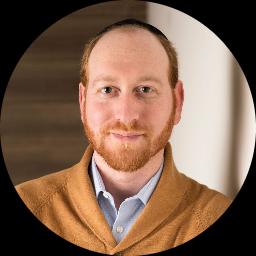
Shlomo Schloss
LICSW
Trauma-informed, relational psychotherapy
- Warm collaborative care
- Trauma-focused approach
- Attachment work
About Shlomo
Shlomo helps people manage stress, anxiety, depression, grief, and relationship struggles. He also supports those dealing with trauma and abuse, parenting strain, addiction concerns, and work-related stress. He uses plain language in sessions and avoids stigmatizing labels when talking about difficulties.
His style is interactive and down-to-earth. Sessions often center on clear goals, steady emotional support, and exploring how past experiences shape current patterns. He adapts the conversation and plan to fit each person's needs rather than following a rigid script.
Shlomo has worked with a wide range of concerns over a decade of practice, including intimacy-related issues, ADHD, compassion fatigue, and chronic illness or pain. He also addresses attachment wounds, abandonment, control issues, and family of origin problems.
If someone is ready to look for change, he offers a collaborative space to try new ways of coping. He aims to empower people to build more satisfying relationships, clearer boundaries, and steadier emotional balance.
How trauma and attachment work online
Shlomo uses trauma-focused therapy and attachment-based work to help people understand how past events affect present feelings. Trauma-focused therapy looks at responses to physical or emotional harm and helps reduce distress connected to those memories. Attachment-based therapy focuses on how early relationships shape expectations and patterns in current relationships and can help with intimacy and trust issues.Finding the right approach is part of the process. He will collaborate with each person to choose methods that match their goals, needs, and comfort level. That choice is revisited as therapy progresses so techniques can be adjusted when something is not working.
Confirm current session options before booking since specific formats are not listed in the profile. Online therapy can make it easier to fit sessions into a busy life, support regular check-ins without travel, and allow shorter or more flexible meetings when needed. Many people find that talking from their own daily setting helps them practice skills in real time and apply changes between sessions.
These summaries are based on the profile information listed on BetterHelp. Listing trauma-focused therapy does not mean a therapist holds a specific certification such as TF-CBT, EMDR or CPT.
Areas of expertise
Primary focus
Also works with
Additional focus areas
Therapeutic approaches
Experience
10+ years
Credentials
Minnesota
Languages
English
Licenses listed
- LICSW, Minnesota26752
- NPI1821413816
As listed on the therapist's profile. You can check a license with the state licensing board and an NPI in the national registry.
Frequently asked questions
What concerns does Shlomo commonly help with?
He works with stress, anxiety, depression, relationship and intimacy issues, trauma and abuse, parenting challenges, addictions, grief, eating and sleeping problems, anger, self-esteem, career worries, and coping with life changes.
What is his therapeutic style like?
His style is warm, interactive, and nonjudgmental. He blends trauma-focused, attachment-based, and client-centered approaches and tailors sessions to the person in front of him.
How much experience does he have?
Shlomo has about 10 years of experience working as a psychotherapist with a wide range of concerns.
Where is he licensed and located?
He is a LICSW and practices in Minnesota.
Which languages are supported and can he work internationally?
Sessions are offered in English and he accepts international clients.
What session formats are available?
Please confirm current session options before booking, as specific session formats are not listed in the profile.
How does pricing work?
Cost varies with location and therapist availability, and sessions use a subscription that can be canceled at any time.
How do I start working with him?
Use the Start Therapy button, complete a short matching questionnaire, and schedule according to therapist availability.
Therapists on BetterHelp do not prescribe medication; a doctor can talk with you about medical options. This directory is not a crisis service. If you are in immediate danger, call 911. If you are thinking about suicide, call or text 988.