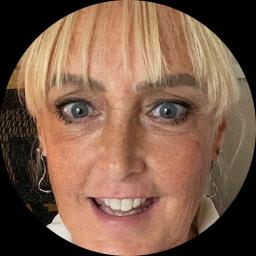
Skip Dettman
LCSW
Supportive trauma-informed clinical social worker
- Trauma-focused care
- Skills and coping
- Collaborative approach
About Skip
Dettman uses a mix of Trauma-Focused Therapy, client-centered work, and skills-based approaches to address immediate concerns and longer-term patterns. She listens first, then helps people set small, achievable goals. Expect straightforward strategies you can try between sessions and time to talk through what’s most pressing.
Her background includes 13 years of clinical experience as a licensed clinical social worker. That experience informs how she responds to issues like dissociation, domestic violence, substance use, and family of origin problems. She brings practical tools for coping alongside space to process painful memories.
Therapy sessions are collaborative. Dettman helps clients identify coping skills, challenge unhelpful thoughts, and practice emotional regulation. She also works with people who want to examine meaning and values when facing life changes.
People who value a respectful, direct approach tend to find this style helpful. Sessions focus on concrete steps as well as emotional repair, so clients can see both short-term relief and gradual change over time.
Approaches that translate to online work
Trauma-Focused Therapy centers on processing and reducing the impact of past traumatic events. It helps people learn to notice triggers, reduce distress when memories arise, and build safety with repeated, manageable steps. Client-Centered Therapy focuses on listening, acceptance, and the client’s own goals; it helps people feel heard and understood while they sort through difficult choices. Cognitive Behavioral Therapy teaches concrete tools to change unhelpful thoughts and behaviors, which can reduce anxiety and depressive symptoms.Finding the right approach is part of the work. The therapist will talk with the client about their needs, goals, and preferences and then suggest which methods to try. This decision is collaborative and can change as progress is made.
Online therapy can make it easier to fit sessions into a busy life, such as shorter check-ins during a break or not having to travel to an office. It also allows using skills coaching and thought-challenging exercises in the moment. Confirm the exact session formats offered before booking, since specific delivery options are not listed in the biography.
These summaries are based on the profile information listed on BetterHelp. Listing trauma-focused therapy does not mean a therapist holds a specific certification such as TF-CBT, EMDR or CPT.
Areas of expertise
Primary focus
Also works with
Additional focus areas
Therapeutic approaches
Experience
13+ years
Credentials
Illinois, Florida, Wisconsin
Languages
English
Licenses listed
- LCSW, Illinois149.018219
- LCSW, FloridaSw13163
- LCSW, Wisconsin12451 - 123
- NPI1013388255
As listed on the therapist's profile. You can check a license with the state licensing board and an NPI in the national registry.
Frequently asked questions
What concerns does Skip help with?
He addresses stress, anxiety, depression, trauma and abuse, addictions, relationship strain, parenting challenges, grief, self-esteem, and LGBT-related issues, among other concerns.
What is the therapeutic style like?
The approach is collaborative and practical, combining Trauma-Focused Therapy with client-centered listening and skills-based work to manage emotions and daily life.
How much experience does this therapist have?
Skip has 13 years of clinical experience working with a range of emotional and behavioral concerns.
What credentials and location apply?
Skip holds the credential LCSW and is licensed in Illinois.
Are sessions offered in other languages or internationally?
Sessions are offered in English and international clients are not currently accepted.
What session formats are available?
Please confirm current session options before booking, as session formats are not specified in the biography.
How are fees handled?
Cost varies with location and therapist availability; sessions use a subscription that can be canceled at any time.
How do I begin therapy?
Use the Start Therapy button, complete the short matching questionnaire, and schedule according to therapist availability.
Therapists on BetterHelp do not prescribe medication; a doctor can talk with you about medical options. This directory is not a crisis service. If you are in immediate danger, call 911. If you are thinking about suicide, call or text 988.