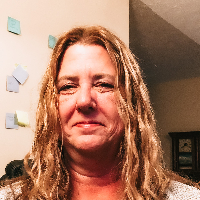
Susan Soares
LCSW
Warm, steady support for trauma and life change
- Relational approach
- Practical skills
- Mindfulness informed
About Susan
With 17 years of experience, Susan blends practical skills with a relational approach. She uses Trauma-Focused Therapy alongside client-centered methods to follow each person's pace. Cognitive Behavioral Therapy, Dialectical Behavior Therapy, and mindfulness tools are part of her toolbox when people need concrete strategies for emotion regulation, coping, and behavior change.
Sessions are conversational and grounded. Susan aims to balance sensitivity with clear guidance so clients can try new ways of handling problems. She often focuses on how thoughts, behaviors, and body reactions connect when addressing issues like anxiety, trauma, or anger.
Susan also helps people tackle parenting challenges, attachment and abandonment worries, blended family stress, caregiver strain, and communication or commitment concerns. She brings experience from school-based and adult settings to inform practical supports for daily life.
People who choose Susan can expect straightforward goals, skill practice, and attention to emotional safety. She encourages clients to include body and spirit when healing, not only thoughts. To begin, she invites prospective clients to take the first step and move toward the changes they want.
Approaches for trauma, thought patterns, and present coping
Trauma-Focused Therapy helps people process distressing events and reduce trauma-related symptoms by focusing on safe, paced ways to revisit difficult memories and learn new coping skills. Client-Centered Therapy concentrates on listening and following the client's concerns, offering support and acceptance so people can find their own solutions and pacing. Cognitive Behavioral Therapy (CBT) focuses on identifying unhelpful thoughts and behaviors and practicing alternative responses to reduce anxiety, improve mood, and change patterns that cause problems.Choosing the right approach is collaborative. The therapist will work with each person to figure out which methods fit their needs, goals, and comfort level. That may mean mixing approaches over time or trying skills-based practices in some weeks and deeper processing in others.
For practical matters, confirm the session formats offered before booking so the logistics match your life. Online therapy can make it easier to fit sessions into a busy week, reduce travel time, and allow shorter check-ins when schedules are tight. It also lets people use practices like mindfulness or CBT homework in their everyday setting right after a session. Talk with the therapist about what will work best for your routine and treatment goals.
These summaries are based on the profile information listed on BetterHelp. Listing trauma-focused therapy does not mean a therapist holds a specific certification such as TF-CBT, EMDR or CPT.
Areas of expertise
Primary focus
Also works with
Additional focus areas
Therapeutic approaches
Experience
17+ years
Credentials
Indiana
Languages
English
Licenses listed
- LCSW, Indiana34006853A
- NPI1447550272
As listed on the therapist's profile. You can check a license with the state licensing board and an NPI in the national registry.
Frequently asked questions
What kinds of concerns does she help with?
She works with stress, anxiety, trauma and abuse, depression, grief, relationship and family issues, parenting stress, and related concerns like ADHD, anger, and career challenges.
What is her general therapy style?
Her style is relational, warm, and conversational with a balance of sensitivity and firmness. Sessions focus on being heard and practicing concrete skills for daily life.
How much clinical experience does she have?
She has 17 years of experience working as a therapist in both school-based and adult settings, supporting a wide range of diagnoses and life situations.
What credential does she hold and where is she based?
She is a Licensed Clinical Social Worker, LCSW, licensed in Indiana.
Which languages are sessions offered in?
Sessions are offered in English.
Can international clients work with her?
International clients are not currently accepted.
How does pricing work?
Cost varies with location and therapist availability; sessions use a subscription that can be canceled at any time.
How do I start a therapy relationship?
Select the Start Therapy button, complete a short matching questionnaire, and schedule according to therapist availability.
Therapists on BetterHelp do not prescribe medication; a doctor can talk with you about medical options. This directory is not a crisis service. If you are in immediate danger, call 911. If you are thinking about suicide, call or text 988.