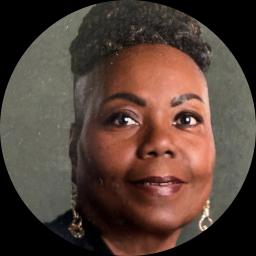
Victoria Hopkins
LISW
Practical support for trauma and addiction recovery
- Trauma-focused care
- Substance use support
- Goal oriented
About Victoria
She earned a master of science in social administration and holds an LISW, which means she practices as an independent social worker. Early mentors encouraged her to experience therapy herself, and that early work shaped how she meets people now. That history informs her emphasis on listening first and asking what happened before deciding what to do next.
Victoria uses approaches such as Trauma-Focused Therapy, Cognitive Behavioral Therapy, Client-Centered Therapy, and Motivational Interviewing. In sessions she helps people name patterns, set manageable goals, and practice skills between meetings. She aims to make therapy clear and straightforward rather than confusing or overwhelming.
Her background includes long-term work with people affected by substance use and related life challenges. She often addresses concerns like addiction, depression, anxiety, grief, anger, low self-esteem, workplace stress, and coping with big life changes. Victoria also supports people facing multicultural issues and those dealing with process addictions.
Her style is compassionate and direct. She offers guidance, coaching, and practical strategies while listening to each person's story. To begin, she asks questions and works with clients to build a plan that fits their goals and daily life.
How Trauma-Focused and Skill-Based Approaches Work Online
Trauma-Focused Therapy helps people make sense of painful memories and reduce their hold on daily life. It often involves talking about what happened in a careful way and learning skills to manage strong emotions or memories.Cognitive Behavioral Therapy, or CBT, focuses on the link between thoughts, feelings, and behavior. It breaks problems into smaller parts, teaches practical skills, and sets small homework tasks to practice between sessions.
Finding the right approach is part of the work. The therapist will collaborate with each person to decide whether trauma-focused work, CBT, motivational interviewing, or a mix fits best based on goals and preferences. That plan can change as needs evolve.
Confirm the available session formats before booking so you know what is offered. Online therapy can make it easier to fit appointments into a busy week, shorten commute time, or allow a quicker check-in when schedules are tight. It also lets people use written exercises and screen-sharing tools during sessions to review worksheets or practice skills together.
These summaries are based on the profile information listed on BetterHelp. Listing trauma-focused therapy does not mean a therapist holds a specific certification such as TF-CBT, EMDR or CPT.
Areas of expertise
Primary focus
Also works with
Additional focus areas
Therapeutic approaches
Experience
20+ years
Credentials
Ohio
Languages
English
Licenses listed
- LISW, OhioI.1101503-SUPV
- NPI1417194911
As listed on the therapist's profile. You can check a license with the state licensing board and an NPI in the national registry.
Frequently asked questions
What concerns does she address?
She helps with addictions, trauma and abuse, depression, anxiety, stress, grief, anger, self-esteem and workplace issues among other concerns.
What is her therapeutic style like?
Her style is compassionate and direct, focusing on listening first and then setting clear, manageable goals together.
How much experience does she bring?
She has twenty years of experience in mental health and substance use work, including long-term work with people impacted by addiction and related challenges.
What are her credentials and where is she based?
She holds an LISW (Licensed Independent Social Worker) and practices in Ohio.
Which languages are supported?
Sessions are offered in English.
Can people outside the U.S. work with her?
She does not accept international clients at this time.
How are sessions arranged and what do they cost?
Cost varies with location and therapist availability; sessions use a subscription that can be canceled at any time.
What steps are involved in getting started?
Click the Start Therapy button, complete a short matching questionnaire, and then schedule according to the therapist's availability.
Therapists on BetterHelp do not prescribe medication; a doctor can talk with you about medical options. This directory is not a crisis service. If you are in immediate danger, call 911. If you are thinking about suicide, call or text 988.