
Pam Grzech
LMSWMichigan · 30 yrs exp
Compassionate client-centered trauma care
Trauma and abuse · Grief · Parenting · Anger · +9 more
Read profileTherapist listings are provided by BetterHelp. We will earn a commission at no additional cost to you if you sign up through our links.
Explore profiles of therapists who list trauma-focused therapy under the Michigan listed location so you can compare approaches, credentials, languages, and areas of focus. Browse listings to find clinicians whose experience and communication style feel like a good match, and check each profile to confirm their permission to work with you where you live.
Michigan · 30 yrs exp
Compassionate client-centered trauma care
Trauma and abuse · Grief · Parenting · Anger · +9 more
Read profile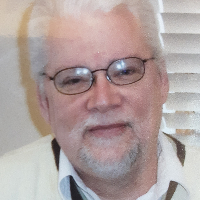
Michigan · 45 yrs exp
Experienced counselor focused on trauma and recovery
Stress, Anxiety · Addictions · Trauma and abuse · Grief · +10 more
Read profile
Michigan · 35 yrs exp
Experienced Michigan therapist focused on healing
Stress, Anxiety · Addictions · Trauma and abuse · Self esteem · +3 more
Read profile
Michigan · 21 yrs exp
Calm, practical therapy for real-life challenges
Stress, Anxiety · Relationship · Family · Bipolar · +14 more
Read profile
Michigan · 24 yrs exp
Compassionate guidance for steady, practical change
Stress, Anxiety · Addictions · Relationship · Family · +1 more
Read profile
Michigan · 31 yrs exp
Compassionate trauma-informed social worker
Stress, Anxiety · Family · Trauma and abuse · Self esteem · +16 more
Read profile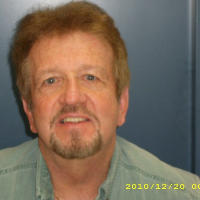
Michigan · 5 yrs exp
Compassionate, practical therapy for everyday struggles
Stress, Anxiety · Addictions · Relationship · Family · +1 more
Read profile
Michigan · 10 yrs exp
Practical, trauma-sensitive counseling focused on skills
Stress, Anxiety · Addictions · Relationship · Family · +12 more
Read profile
Michigan · 26 yrs exp
Practical, compassionate therapy for life transitions
Stress, Anxiety · Addictions · Relationship · Grief · +14 more
Read profile
Michigan · 8 yrs exp
Practical support for adults facing trauma and change
Stress, Anxiety · Self esteem · Career · Depression · +16 more
Read profile
Michigan · 15 yrs exp
Compassionate clinician helping people regain balance
Stress, Anxiety · LGBT · Relationship · Depression · +16 more
Read profile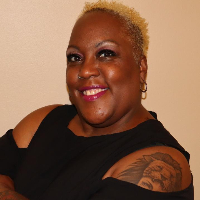
Michigan · 15 yrs exp
Compassionate therapist for trauma and life change
Stress, Anxiety · Trauma and abuse · Grief · Depression · +11 more
Read profile
Michigan · 35 yrs exp
Experienced Michigan psychologist focused on healing
Stress, Anxiety · Relationship · Family · Self esteem · +16 more
Read profile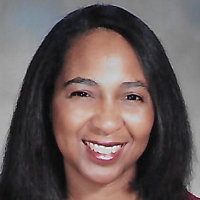
Michigan · 25 yrs exp
Trauma-informed clinician with practical tools
Stress, Anxiety · Anger · Self esteem · Depression · +6 more
Read profile
Michigan · 20 yrs exp
Compassionate trauma-informed care with practical tools
Stress, Anxiety · Relationship · Trauma and abuse · Grief · +12 more
Read profile
Michigan · 40 yrs exp
Calm guidance for practical change
LGBT · Relationship · Grief · Career · +14 more
Read profile
Michigan · 9 yrs exp
Compassionate trauma-focused therapist
Stress, Anxiety · Addictions · Relationship · Trauma and abuse · +15 more
Read profile
Michigan · 10 yrs exp
Compassionate counselor focusing on trauma recovery
Stress, Anxiety · Relationship · Family · Trauma and abuse · +9 more
Read profile
Michigan · 7 yrs exp
Compassionate listener focusing on trauma and relationships
Stress, Anxiety · Family · Trauma and abuse · Parenting · +13 more
Read profile
Michigan · 5 yrs exp
Compassionate counselor focused on trauma-informed care
Stress, Anxiety · Relationship · Trauma and abuse · Parenting · +12 more
Read profile
Michigan · 8 yrs exp
Compassionate care through life transitions
Stress, Anxiety · Self esteem · Depression · Coping with life changes · +9 more
Read profile
Michigan · 21 yrs exp
Compassionate, practical therapy for life transitions
Stress, Anxiety · Relationship · Self esteem · Depression · +1 more
Read profile
Michigan · 24 yrs exp
Calm, practical support for stress and trauma
Stress, Anxiety · Relationship · Family · Parenting · +11 more
Read profile
Michigan · 16 yrs exp
Warm, practical social worker focused on recovery
Stress, Anxiety · Addictions · Trauma and abuse · Grief · +16 more
Read profileTrauma-focused therapy is an approach that centers on the effects of traumatic events and helps you address symptoms and patterns that grew from those experiences. In plain language, it means the therapist pays particular attention to memories, reactions, and life changes related to trauma and uses strategies intended to help you process and manage those issues. This description is not a guarantee of a specific outcome or a promise of recovery. Therapists may describe their practice in different ways, and the phrase trauma-focused simply signals a focus area rather than a universal toolkit.
When you read profiles under the Michigan listed location, look for how each clinician explains what trauma-focused work looks like in their practice. Some will describe their typical conversation topics, the kinds of support they emphasize, and how they partner with clients to set goals. If you are in immediate danger or fear for your safety, contact emergency services right away; a directory listing is not an emergency response. Use the profile information as a starting point for clarifying how a therapist approaches trauma and whether that aligns with what you want to address.
Listings grouped under Michigan reflect the listed location on profiles, but that does not necessarily mean an office is nearby or that the clinician is authorized to work with every resident in the state. You should check the individual profile for details and confirm directly with the clinician whether they have permission to practice where you live. Licensing rules and permission to provide care across state lines vary, and a degree alone does not establish current legal authorization to practice.
Degrees such as PhD, PsyD, MD, MA, or MSW describe a clinician’s academic training. Licenses or registrations are the legal permissions that allow people to practice in a jurisdiction. A profile may list academic degrees and may also mention professional licenses, but you should verify the license status with the clinician or the relevant licensing board if that is important to you. Avoid assuming that an academic title equals current permission to provide services in Michigan or elsewhere.
Preparing a few concrete questions before you contact a clinician can make it easier to compare profiles and understand whether their methods match your needs. Ask how they define trauma-focused therapy in their work and what kinds of concerns they most often address. If you are interested in particular techniques, you can ask whether the therapist lists specific approaches among their methods and how they typically apply those options in sessions. Be careful not to assume that the presence of an approach name on a profile indicates specialized certification; instead, ask about their experience using that approach and with which populations.
Other useful questions include how they describe progress and how they measure outcomes, which populations they work with most often, and how they adapt their approach for cultural background, age, or identity. If you have particular needs - for example work with trauma from medical experiences, military service, or interpersonal violence - ask whether the clinician has experience with similar cases and what boundary or safety practices they use so you feel understood and respected. These specific conversations help you move beyond general language on a profile to a clearer sense of whether a clinician’s experience and style are a good fit.
If you are considering online sessions, it is important to discuss practical and clinical details up front. Confirm whether the clinician is permitted to provide care to people in your state and ask how they handle situations where local rules or licensure requirements affect the relationship. Discuss how emergencies are managed, what you should do if you are in immediate danger, and whether they have a plan for responding when a client needs urgent help. A directory cannot substitute for emergency services, so make sure you know local resources as well.
Talk about communication boundaries and how you will reach each other between sessions, how cancellations or missed sessions are handled, and what technology platforms are used so you can ensure the conditions meet your needs. Ask how the clinician protects your personal information during remote sessions and what to expect regarding records. Clarify practical items such as session length and how progress is reviewed, and raise any accessibility needs or language preferences before you begin so the clinician can explain how they will adapt their work for you.
Comparing profiles effectively means looking beyond headline labels and reading how clinicians describe their focus areas and day-to-day style. Look for language about the populations they work with, such as age ranges or specific life experiences, and note whether a profile mentions the kinds of concerns they commonly address. If language access matters to you, check which languages the clinician lists and ask how they conduct therapy in that language if you proceed to a conversation. Profiles that describe communication preferences and cultural or identity-related experience can help you assess fit.
When reviewing credentials, separate academic degrees from licensure information and verify any licensing details that are important to you. Compare how clinicians describe their therapeutic style - for example whether they emphasize practical skills, narrative exploration, or paced processing - and ask for examples of what a typical session might include. Concrete comparison questions include whether they list EMDR among their approaches and how they integrate that approach when they do, how they measure progress for trauma-focused goals, and how they support clients who experience strong reactions during or after sessions. Use the profiles to build a short list of clinicians who seem aligned with your needs, then reach out to confirm permission to work together where you live and to ask the specific questions that matter most to you.
Taking time to read profiles carefully, asking focused questions, and verifying licensure and permission to practice in Michigan will give you clearer information to make a choice that matches your goals and circumstances.
Anger
1139 therapists
Depression
1466 therapists
Dissociation
376 therapists
Domestic Violence
672 therapists
Grief
1280 therapists
Guilt and Shame
1191 therapists
Isolation / Loneliness
1087 therapists
Mood Disorders
1033 therapists
Panic Disorder and Panic Attacks
915 therapists
Post-Traumatic Stress
1256 therapists
Self Esteem
1419 therapists
Sleeping Disorders
490 therapists
Social Anxiety and Phobia
1074 therapists
Stress & Anxiety
1527 therapists
Trauma and Abuse
1484 therapists