
Emma Cott
LCMFTKansas · 12 yrs exp
Compassionate therapist who guides practical change
Stress, Anxiety · Relationship · Intimacy-related issues · Depression · +13 more
Read profileTherapist listings are provided by BetterHelp. We will earn a commission at no additional cost to you if you sign up through our links.
Compare therapists who list sleeping disorders alongside trauma-focused therapy among their clinical approaches. Browse profiles to review listed location, clinical focus, credentials, languages, and the therapeutic styles noted by each clinician.
Kansas · 12 yrs exp
Compassionate therapist who guides practical change
Stress, Anxiety · Relationship · Intimacy-related issues · Depression · +13 more
Read profile
Michigan · 30 yrs exp
Compassionate client-centered trauma care
Trauma and abuse · Grief · Parenting · Anger · +9 more
Read profile
Colorado · 11 yrs exp
Grounded trauma-informed therapy with practical steps
Stress, Anxiety · LGBT · Trauma and abuse · Anger · +15 more
Read profile
Michigan · 21 yrs exp
Calm, practical therapy for real-life challenges
Stress, Anxiety · Relationship · Family · Bipolar · +14 more
Read profile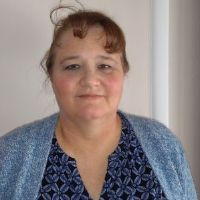
Nebraska · 25 yrs exp
Compassionate therapist focusing on trauma recovery
Stress, Anxiety · Family · Trauma and abuse · Parenting · +12 more
Read profile
Ohio · 20 yrs exp
Practical, experienced counselor for life transitions
Stress, Anxiety · Addictions · Relationship · Family · +15 more
Read profile
South Carolina · 21 yrs exp
Calm, practical support for lasting change
Stress, Anxiety · Trauma and abuse · Self esteem · Depression · +12 more
Read profile
Michigan · 31 yrs exp
Compassionate trauma-informed social worker
Stress, Anxiety · Family · Trauma and abuse · Self esteem · +16 more
Read profile
Kansas · 7 yrs exp
Trauma-informed counselor blending evidence and mindfulness
Stress, Anxiety · Addictions · Trauma and abuse · Self esteem · +9 more
Read profile
Wisconsin · 8 yrs exp
Compassionate care with practical tools
Stress, Anxiety · Trauma and abuse · Self esteem · Depression · +16 more
Read profile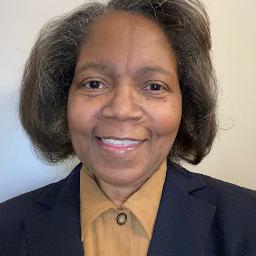
Michigan · 10 yrs exp
Practical, trauma-sensitive counseling focused on skills
Stress, Anxiety · Addictions · Relationship · Family · +12 more
Read profile
Michigan · 26 yrs exp
Practical, compassionate therapy for life transitions
Stress, Anxiety · Addictions · Relationship · Grief · +14 more
Read profile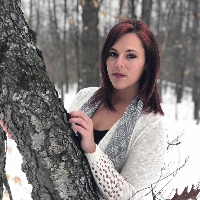
Michigan · 8 yrs exp
Practical support for adults facing trauma and change
Stress, Anxiety · Self esteem · Career · Depression · +16 more
Read profile
Michigan · 15 yrs exp
Compassionate clinician helping people regain balance
Stress, Anxiety · LGBT · Relationship · Depression · +16 more
Read profile
Washington · 13 yrs exp
Trauma-informed, practical mental health support
Stress, Anxiety · LGBT · Self esteem · Depression · +16 more
Read profile
Illinois · 26 yrs exp
Calm, practical therapist focused on healing
Stress, Anxiety · Addictions · Anger · Self esteem · +13 more
Read profile
Illinois · 30 yrs exp
Calm, practical therapy for trauma and life stress
Stress, Anxiety · Relationship · Family · Trauma and abuse · +12 more
Read profile
Missouri · 8 yrs exp
Compassionate, practical support for trauma and life changes
Stress, Anxiety · Addictions · LGBT · Trauma and abuse · +15 more
Read profile
Missouri · 19 yrs exp
Compassionate counselor helping steady change
Stress, Anxiety · Relationship · Trauma and abuse · Depression · +14 more
Read profile
Michigan · 35 yrs exp
Experienced Michigan psychologist focused on healing
Stress, Anxiety · Relationship · Family · Self esteem · +16 more
Read profile
Kansas · 30 yrs exp
Experienced social worker focused on trauma recovery
Stress, Anxiety · Trauma and abuse · Sleeping · Self esteem · +14 more
Read profile
Indiana · 5 yrs exp
Straightforward, compassionate mental health care
Stress, Anxiety · Relationship · Self esteem · Depression · +7 more
Read profile
Indiana · 29 yrs exp
Compassionate trauma-informed care with experience
Stress, Anxiety · Trauma and abuse · Grief · Sleeping · +9 more
Read profile
Michigan · 20 yrs exp
Compassionate trauma-informed care with practical tools
Stress, Anxiety · Relationship · Trauma and abuse · Grief · +12 more
Read profileSleep difficulties can range from trouble falling asleep to frequent awakenings, early morning waking, or patterns of night-time distress that leave you drained during the day. If sleep issues are interfering with your daily functioning, mood, safety, or ability to do the things you care about, it can be helpful to seek professional input. You may notice that sleep problems come and go with changes in stress, health, or routine, or that they persist despite attempts to improve habits. If you are having thoughts of harming yourself or feel at immediate risk, contact emergency services right away. Outside of urgent situations, a mental health professional can help you explore factors that may be contributing to poor sleep and discuss strategies or referrals that match your needs.
Many people with trauma histories report disrupted sleep, nightmares, or hyperarousal at night. That does not mean trauma is the cause of every sleep issue, and many other elements - such as medical conditions, medications, lifestyle, shift work, and co-occurring mental health concerns - can affect sleep. In this directory, profiles are grouped because the clinician lists sleeping disorders as a specialty or additional focus area; those same profiles also list trauma-focused therapy among their approaches. This signals that those clinicians identify both sleep and trauma-related concerns in their practice, but it does not certify a specific protocol or outcome.
When you explore how trauma-focused approaches might relate to sleep, consider them as one set of options to discuss. Some therapists emphasize techniques that address arousal, safety, and processing of stressful memories, while others focus on behavioral and cognitive patterns around sleep. There may be overlap between these paths, and you should expect a conversation with any clinician to clarify which approaches they use and how those approaches might be adapted to your sleep concerns. Remember that a clinician listing a particular approach is not the same as holding a named certification; it simply indicates an area they report working in.
When you review profiles, bring concrete questions that help you understand what a clinician actually does day to day. Ask how long they have worked with people who report sleeping problems and trauma-related symptoms, and request examples of typical session topics for those concerns. Ask whether they commonly address nightmares, insomnia, or night-time panic, and whether they collaborate with medical providers when sleep appears to have a physical cause. You can also inquire how often they integrate trauma-focused strategies with behavioral sleep techniques, and what assessments they use to clarify sleep patterns and daytime functioning.
It is useful to ask about clinical populations and scope as well. A listed topic does not establish that a therapist treats children, couples, or families, so ask directly whether they work with your age group, relationship context, or specific life circumstances. If language access matters to you, confirm the languages they use in sessions. Be specific when comparing profiles - ask for examples of how they might tailor their approach to a person whose primary complaint is fragmented sleep versus someone whose primary complaint is nightmares linked to past events.
If you plan to meet remotely, discuss technical and practical details in advance. Ask what platforms they use for remote sessions and what steps are taken to protect your personal information, including how they handle storage of records, notes, and any electronic communications. Confirm that the clinician is licensed or otherwise authorized to provide care to people in your state or jurisdiction; a degree such as PhD, PsyD, MD, MA, or MSW is not the same as a professional license and does not by itself indicate permission to practice in your location. Ask where the clinician is based and whether they are legally able to work with clients at your listed location.
Discuss how the clinician would handle night-time crises or situations where immediate help is needed. Clarify whether they provide an emergency plan or crisis resources, and what steps they expect you to take if you experience severe distress between sessions. It is reasonable to ask about session length, typical course of work for sleep-related goals, and how they measure progress. If medication, sleep studies, or medical evaluation are likely to be relevant, ask how the clinician coordinates with primary care or sleep medicine providers.
Profiles can vary in the amount of information they include, so approach comparisons systematically. Start by identifying the focus areas each clinician lists - for example, whether they emphasize insomnia management, nightmare work, or broader trauma recovery - and note how those labels match your goals. Compare the clinical approaches that are named in profiles, keeping in mind that a clinician listing a technique indicates it is among their approaches, not that it is a guarantee of training or certification. If a profile lists EMDR, cognitive behavioral methods, or somatic approaches, phrase your questions to learn how those approaches are used in practice rather than assuming specific training.
Pay attention to credentials and how they are described. Academic degrees such as PhD, PsyD, MD, MA, and MSW tell you about educational background, while professional licenses or registrations indicate current legal permission to practice. Ask clinicians to clarify both their degrees and their active licensing status in the jurisdiction where you would be seen. Compare language offerings and cultural competencies that are relevant to you, and consider the clinician's stated experience with populations or life stages similar to your own. Finally, reflect on the description of therapeutic style in each profile - whether it emphasizes a structured, skills-based approach, a reflective process-oriented style, or a practical, problem-solving focus - and think about which style you are most likely to engage with over time.
If a profile aligns with your needs, contact the listed location or follow the profile's contact options to request an initial conversation or intake. Use that first contact to ask the clarifying questions you developed while comparing profiles, and to get a sense of how the clinician listens and responds to your concerns. Be prepared to discuss your history with sleep problems, any medical evaluations you have had, current medications, and what changes you hope to see from therapy. Confirm the clinician's license and ability to work with you in your jurisdiction, and request any written information they offer about session policies, appointment logistics, and how they protect personal information.
Choosing a clinician is a personal decision and often involves trying one or two conversations before you find a good match. You may want to keep notes on the things that matter most to you so you can compare impressions across profiles. Above all, prioritize clear communication about scope of practice, the intersection of trauma-focused approaches with sleep concerns, and contingency plans for urgent situations. If you are unsure whether therapy is the right next step for your sleep issues, consider seeking a medical evaluation as well, since sleep-related symptoms can have multiple contributing factors that benefit from a coordinated approach.
Alabama
7 therapists
Alaska
1 therapist
Arizona
10 therapists
Arkansas
5 therapists
California
8 therapists
Colorado
11 therapists
District of Columbia
1 therapist
Florida
38 therapists
Georgia
10 therapists
Illinois
233 therapists
Indiana
127 therapists
Iowa
39 therapists
Kansas
57 therapists
Kentucky
5 therapists
Louisiana
5 therapists
Maine
1 therapist
Maryland
2 therapists
Massachusetts
1 therapist
Michigan
241 therapists
Minnesota
86 therapists
Mississippi
3 therapists
Missouri
201 therapists
Montana
2 therapists
Nebraska
40 therapists
New Jersey
4 therapists
New Mexico
5 therapists
New York
5 therapists
North Carolina
9 therapists
North Dakota
6 therapists
Ohio
197 therapists
Oklahoma
10 therapists
Oregon
2 therapists
Pennsylvania
5 therapists
South Carolina
6 therapists
South Dakota
21 therapists
Tennessee
5 therapists
Texas
18 therapists
Utah
2 therapists
Vermont
1 therapist
Virginia
3 therapists
Washington
7 therapists
West Virginia
4 therapists
Wisconsin
136 therapists
Wyoming
3 therapists